Autonomous Mobility UX Model for Haerujil Workers' Safety
Problem: Lack of integrated UX for safe and efficient shellfish gathering in hazardous tidal-flat environments.
Solution: A situation-awareness UX model integrating autonomous mobility, real-time environmental alerts, and load-carrying support.
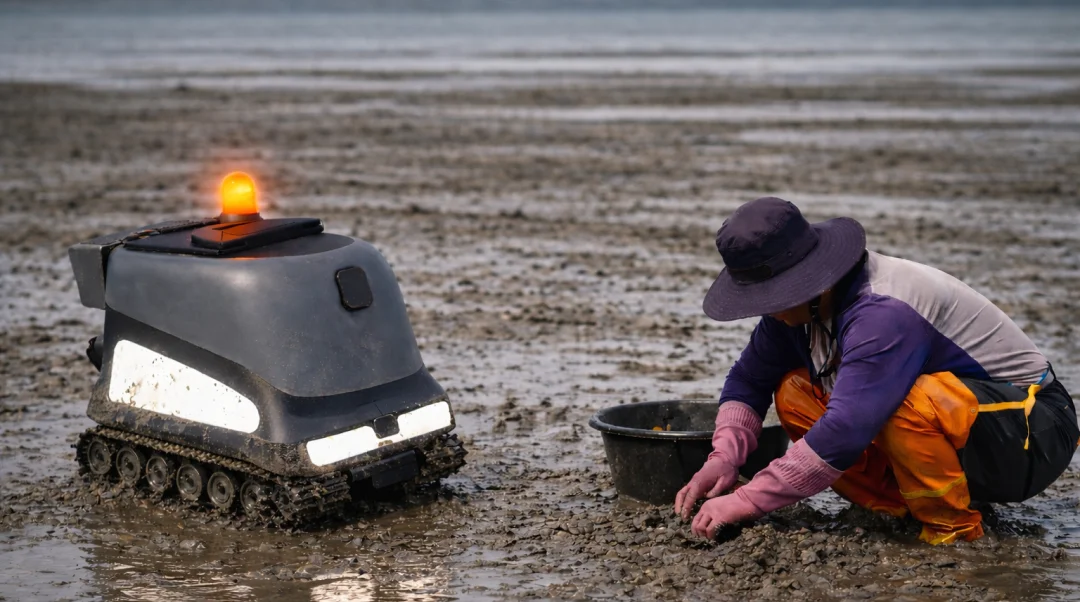
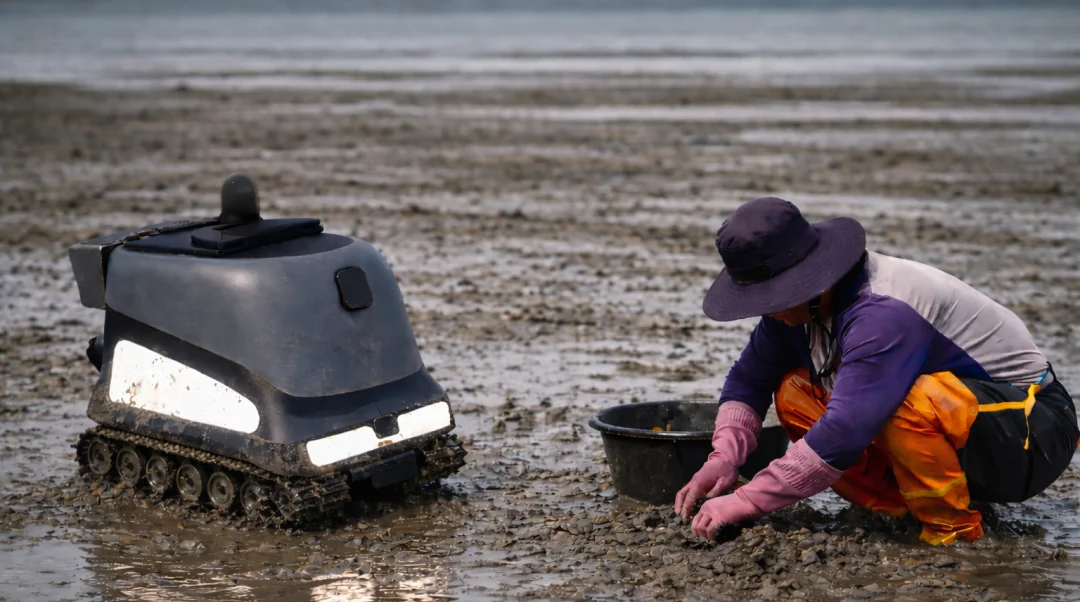
Background
" Haerujil is a shellfish gathering activity conducted in tidal flats, typically during low tide and often at night "
Limited Real-Time Support in Hazardous Environments
- Tidal flats are highly dynamic due to tides, weather, and terrain
- Safety solutions are not accessible during actual work
Problem
Unpredictable Environment
- Constantly changing tides, weather, and terrain
- Difficult movement and escape (Mud, Tidal Creek)

Fig. 1. Hazardous tidal terrain (tidal creeks)
Reduced Situational Awareness
- Limited visibility at night
- Delayed response in emergency situations

Fig. 2. Low-visibility working environment
Analysis
" The interaction of user, task, and environment results in a critical failure of situation awareness "
User
- Elderly workers
- Small-scale, individual work
- Low safety awareness
Task
- Downward gaze
- Repetitive movement
- High immersion
Environment
- Hazardous terrain
- Dynamic conditions
- Low visibility

Fig. 3. Shellfish gathering (Haerujil) in a tidal-flat environment
User Research
" Haerujil accidents stem from a breakdown in situation awareness "
Type 1: Overconfident Worker
- Experience-based judgment
- Underestimates risk
- Delayed risk awareness
Type 2: Immersed Worker
- Task-focused immersion
- Reduced environmental awareness
- Awareness failure
Goal
" Enable workers to perceive situations and act safely "
Solution
" Real-time risk-aware UX that restores situational awareness for safer actions "
Real-Time Environment Monitoring
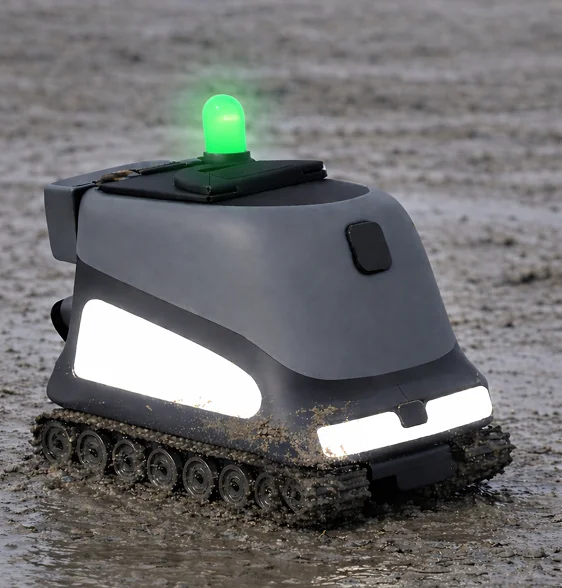
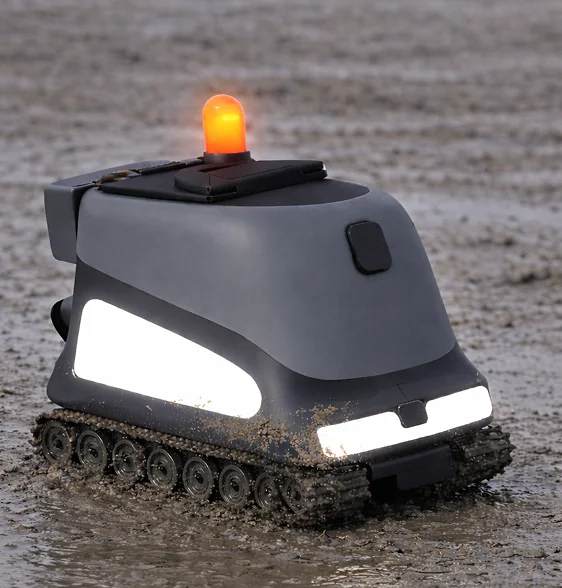
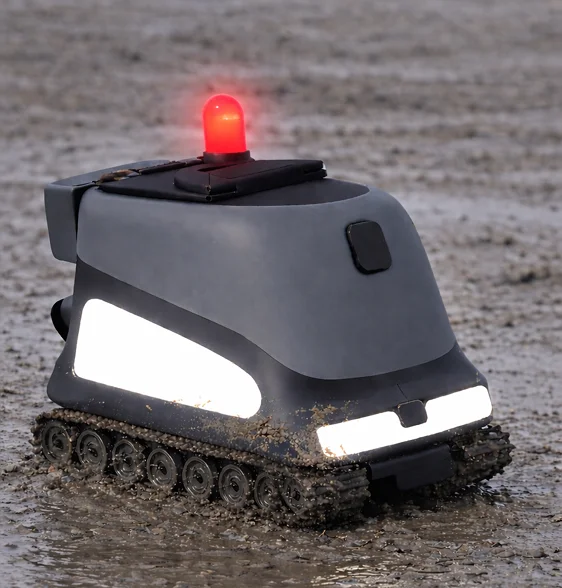
Fig. 4. Risk Visualization Interface
- Real-time environmental condition tracking
- Tide changes & terrain risk detection
- Risk visualization (🟢 Safe / 🟠 Caution / 🔴 Danger)
- Continuous updates
Tide-Based Alert System
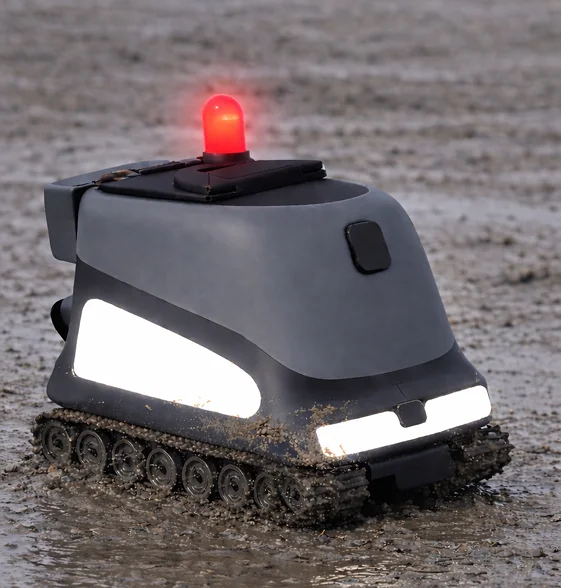
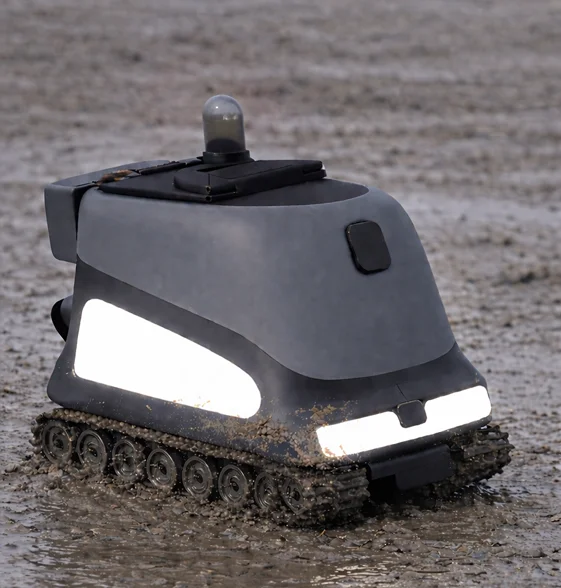
Fig. 5. Tide-Based Alert System
① Awareness: Guide initial awareness
- Blinking light & alert sound
- "Tide change approaching"
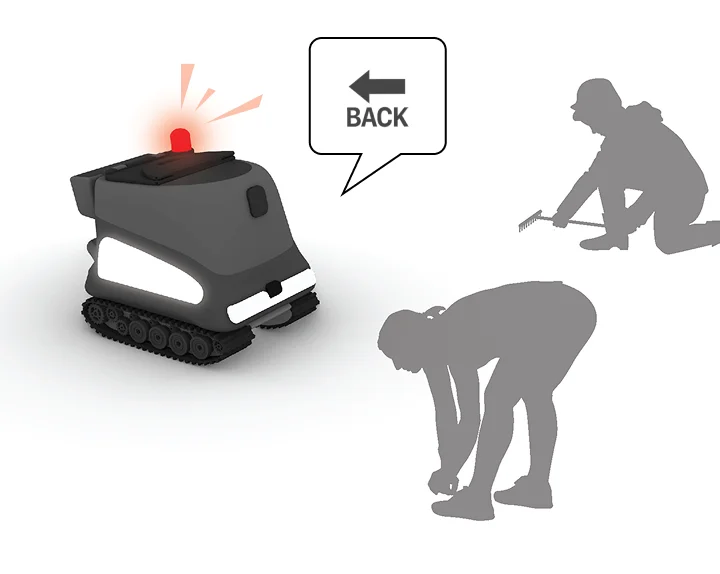
② Action: Trigger initial movement
- Repeated blinking light & alert sound
- "Start moving to a safer area"
③ Urgent: Enforce immediate action
- High-intensity light & alert sound
- "Move immediately"
④ Critical: Ensure rapid evacuation and survival
- Maximum-intensity light & alert sound
- "Stop work and evacuate now"
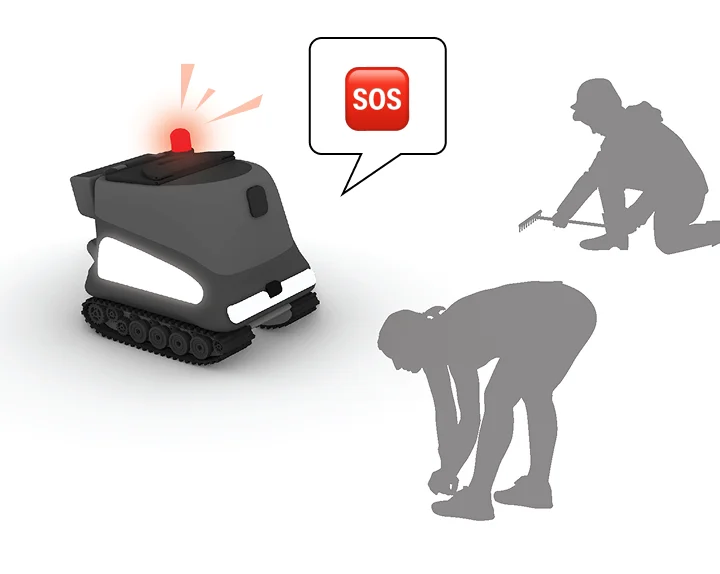
- If the user cannot evacuate in time: Safe route guidance & rescue request
Information Support System
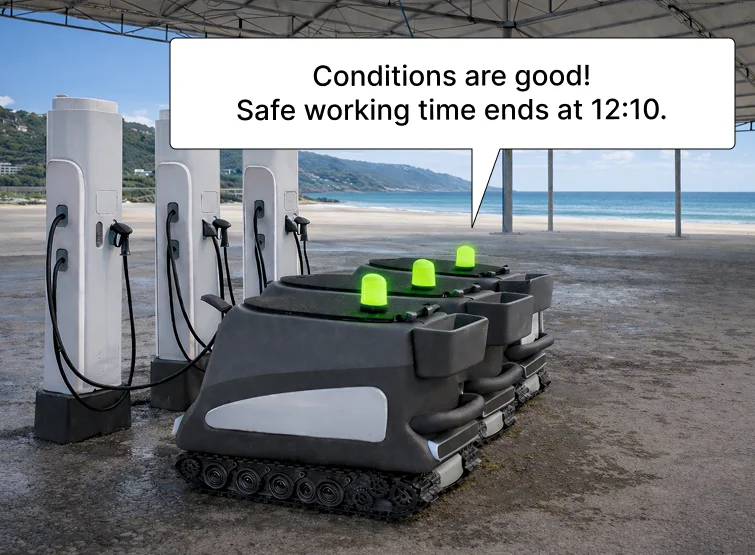
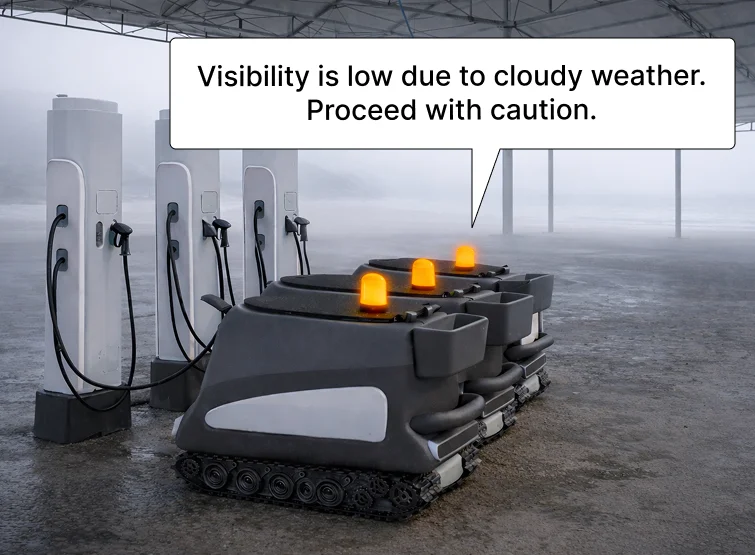
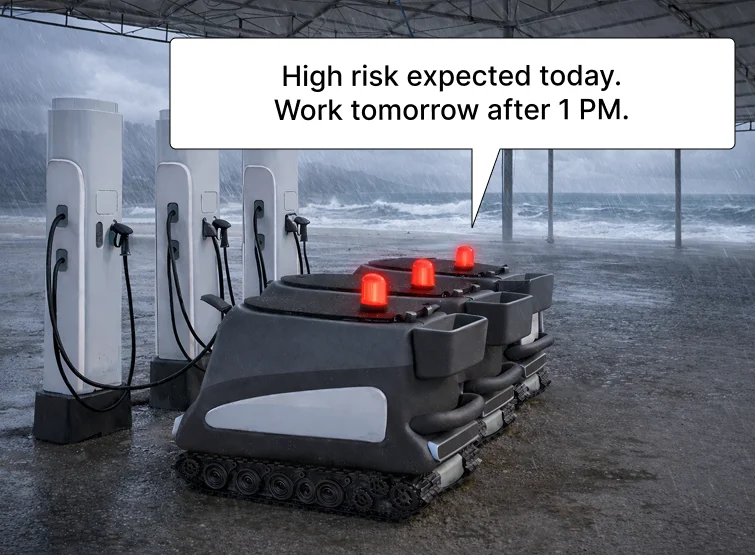
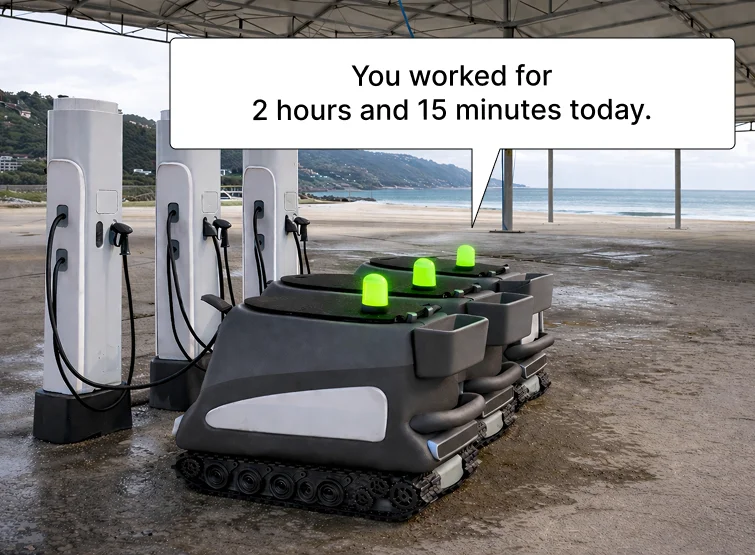
Fig. 6. Information Support System
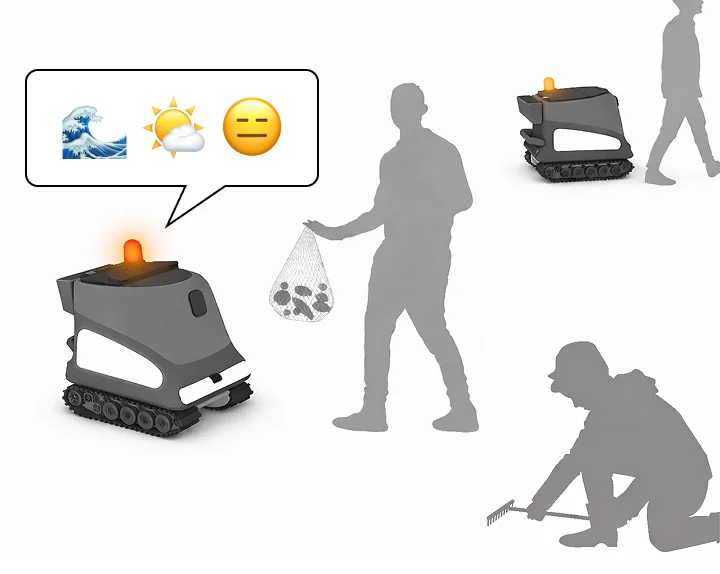
- Tide & Weather information
- Working time recommendations
- Daily activity summary
Result
" A simulation-based UX system demonstrating real-time risk awareness and action-driven interaction in hazardous environments "
Scenario
Before Work
Understand conditions
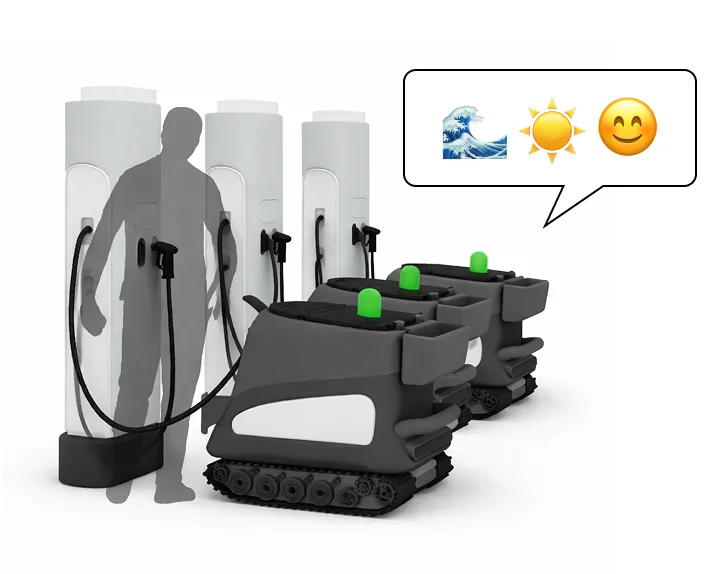
During Work
① Maintain awareness
② Act immediately
③ Call emergency
After Work
Reflect & Plan
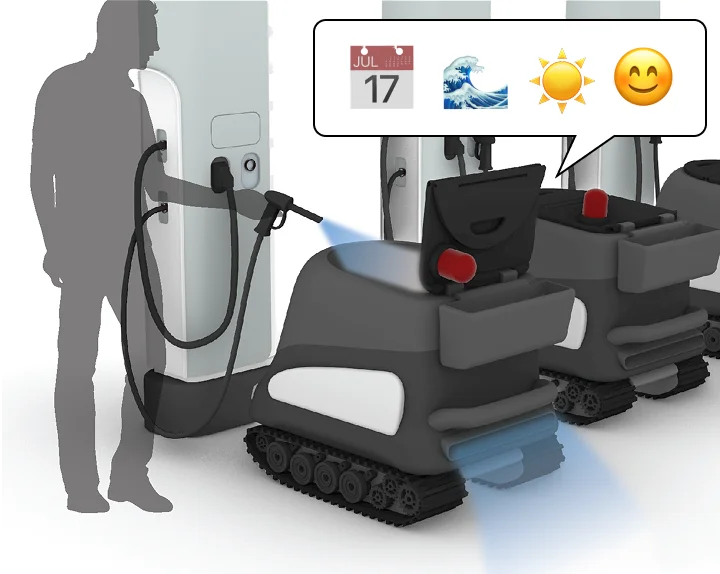
Fig. 7. Scenario
Final Design & Prototype
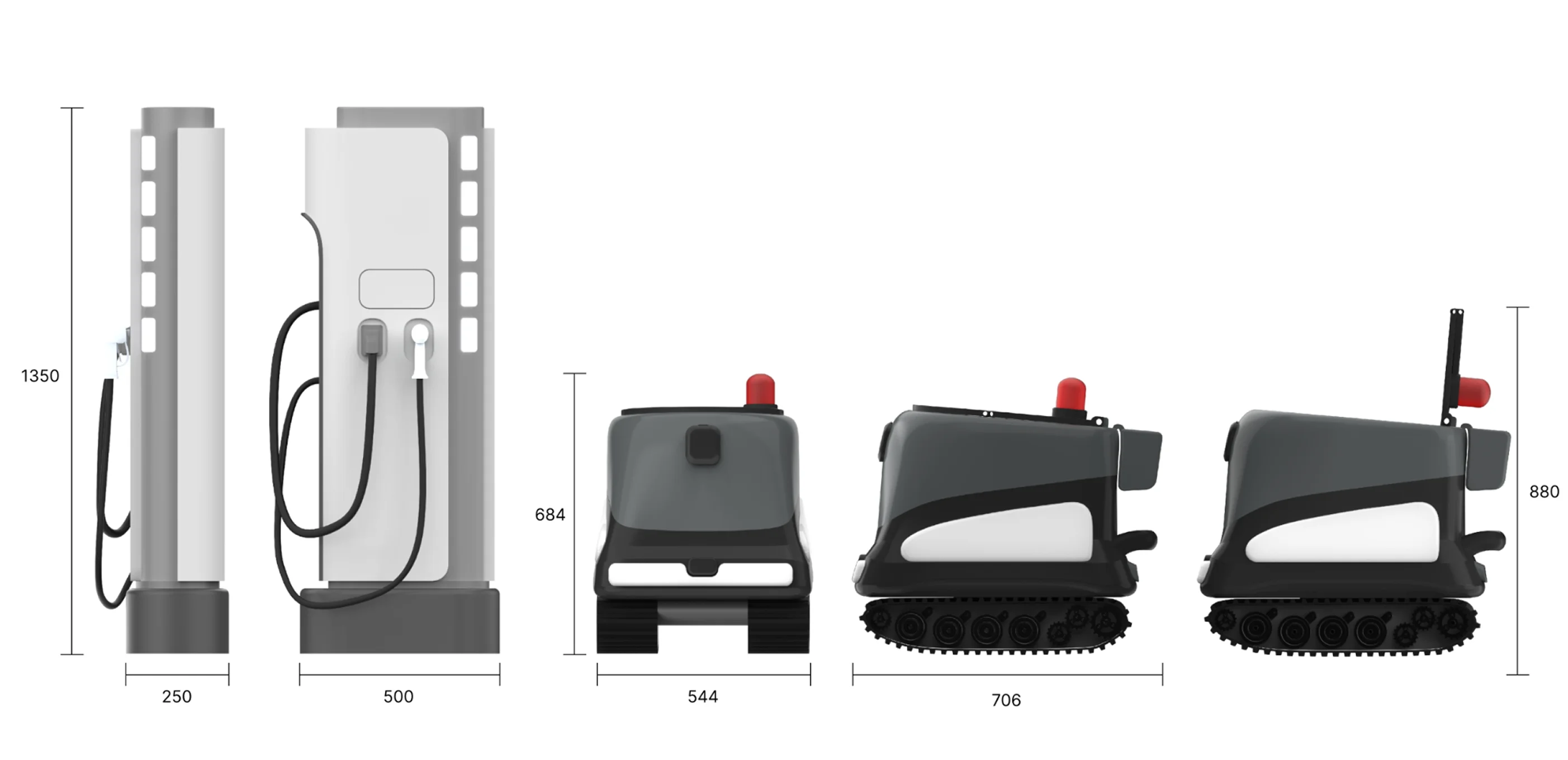
Fig. 8. Final Design
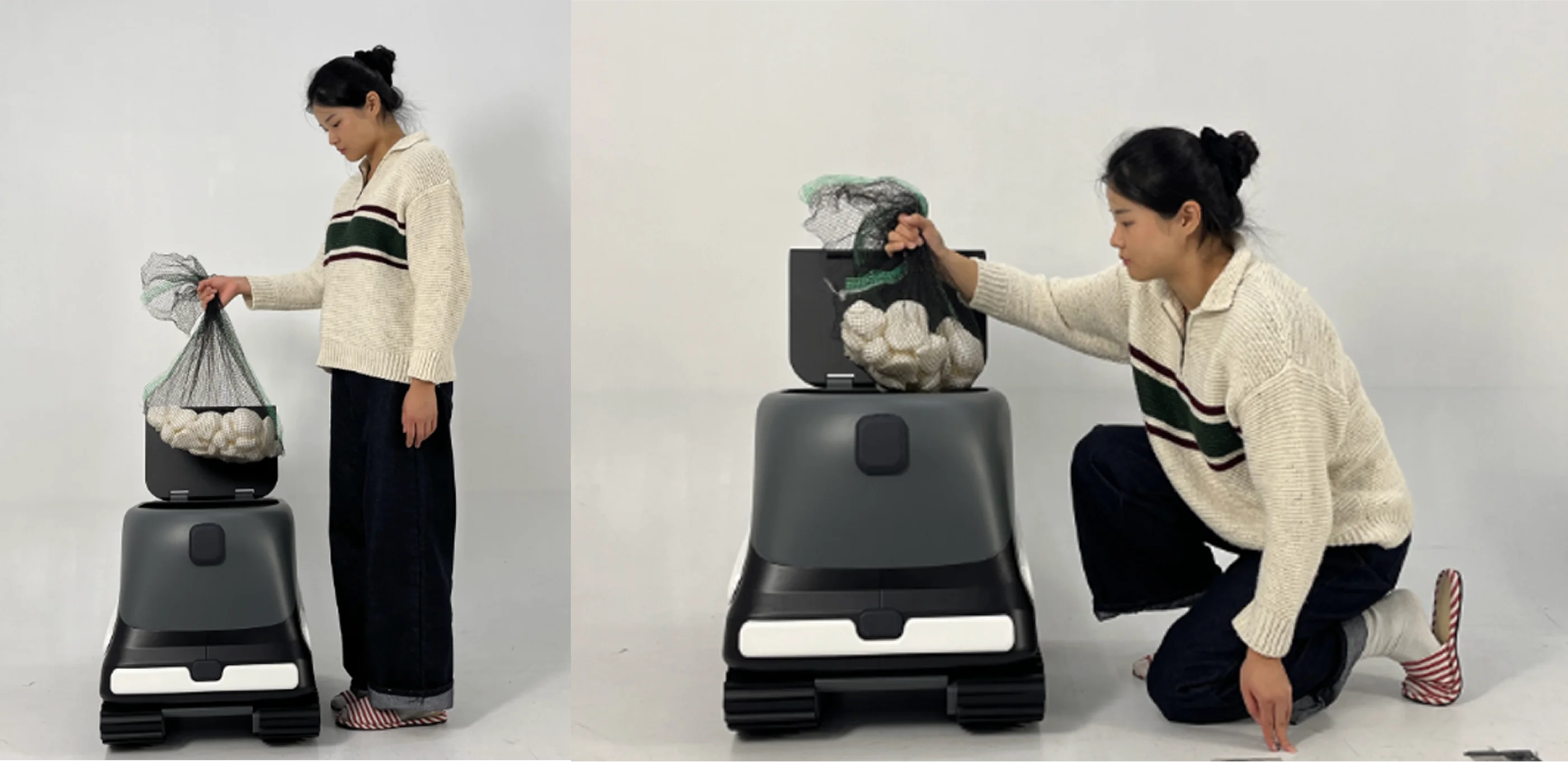
Fig. 9. Final Prototype