Effects of HUD Information Location on Drivers' Cognitive and EEG Responses
Purpose: Investigates the effect of HUD information location on cognitive processing.
Methods: Driving simulation experiment with a within-subject design (4 HUD locations), using Stroop and Flanker tasks with multimodal measures (EEG, performance, self-report)
Key Finding: Efficiency ranking (Bottom-Left > Bottom-Right > Top-Left > Top-Right)
Autonomous Mobility UX Model for Haerujil Workers' Safety
Problem: Lack of integrated UX for safe and efficient shellfish gathering in hazardous tidal-flat environments.
Solution: A situation-awareness UX model integrating autonomous mobility, real-time environmental alerts, and load-carrying support.


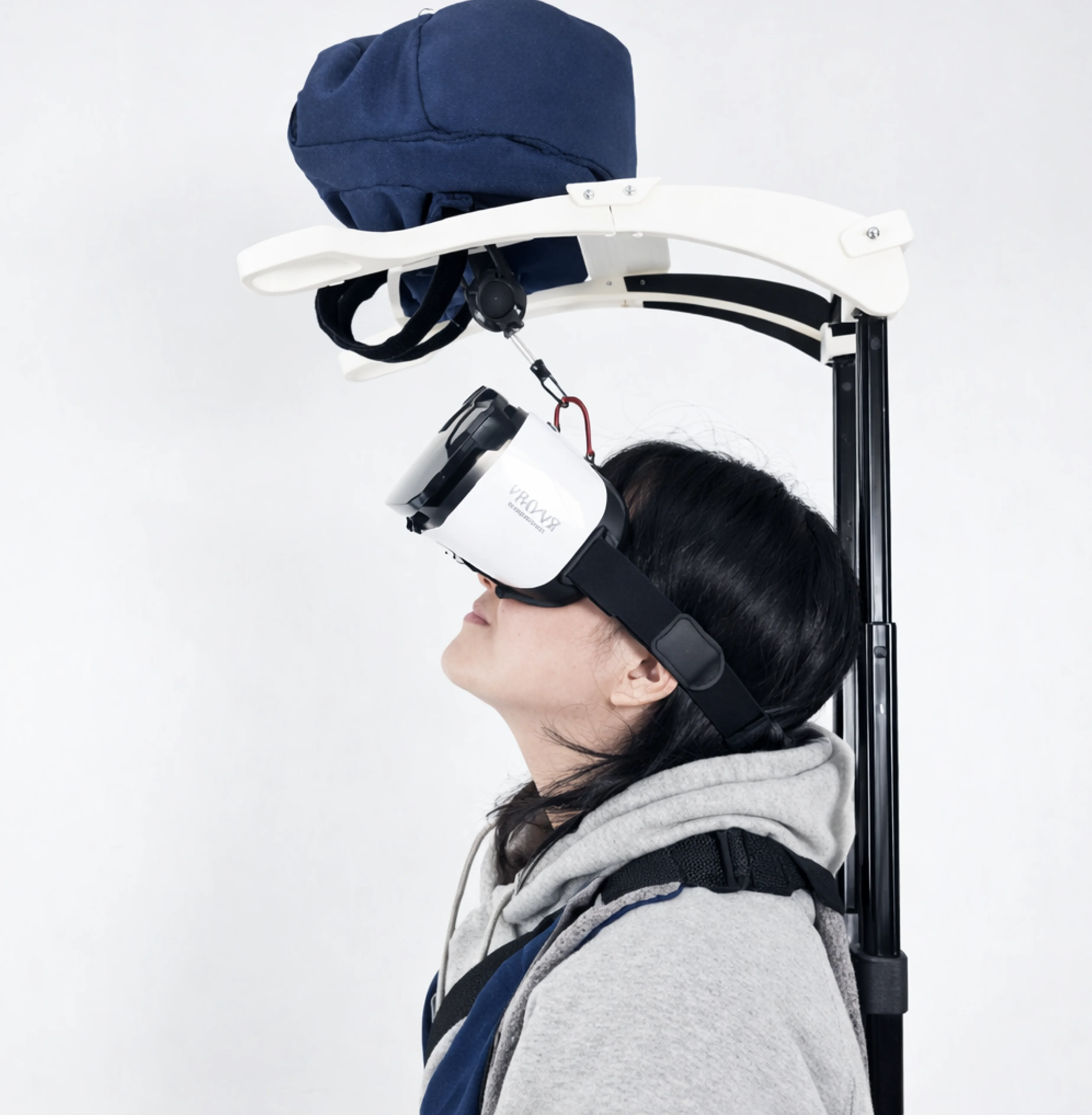
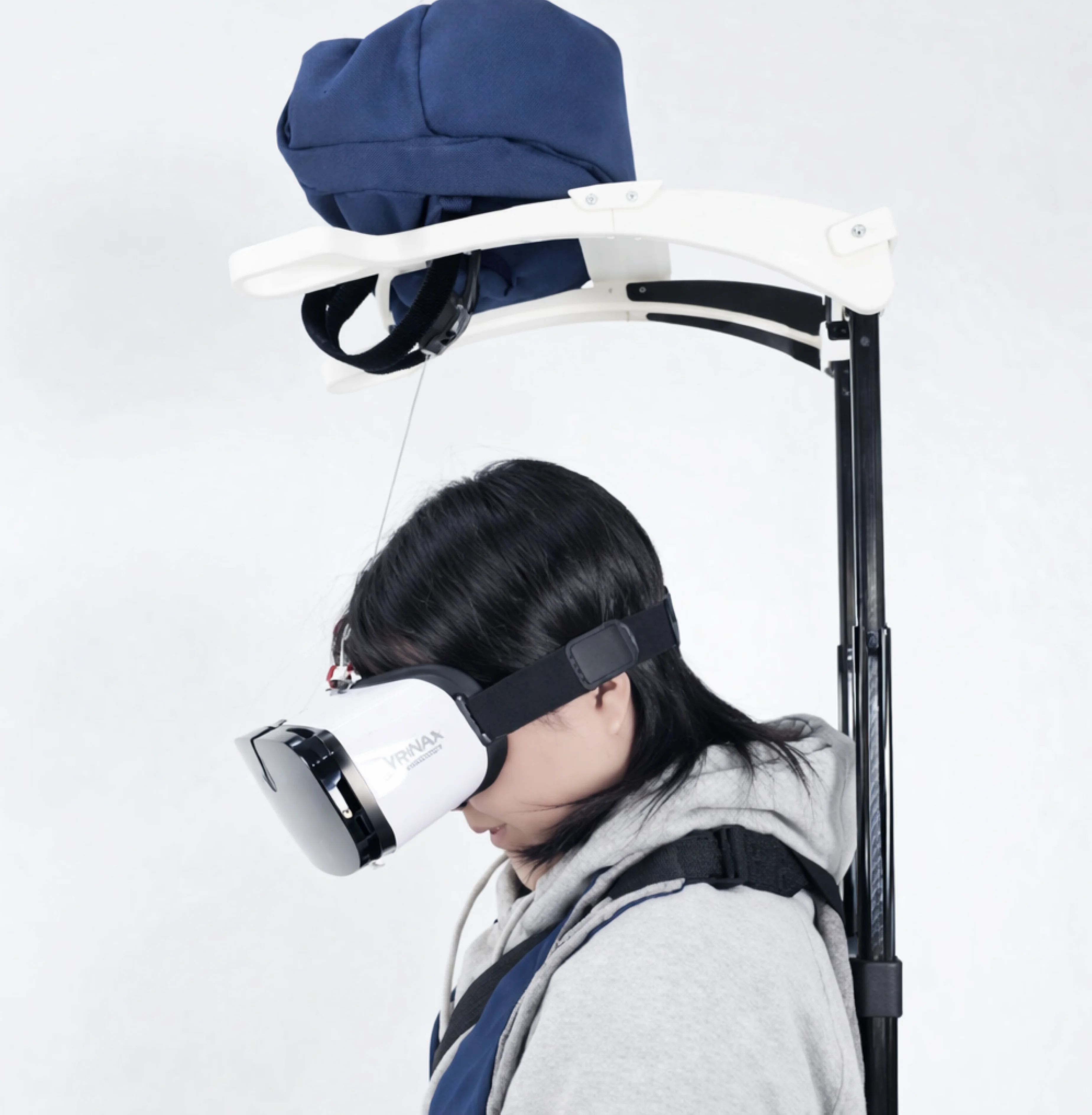
Vest-Type Weight Redistribution for Long-Term Head-Mounted Display Use
Problem: Immersive HMDs increase physical burden, reducing mobility and long-term usability.
Solution: A vest-based system that redistributes HMD weight to the torso, reducing strain while maintaining natural head movement.
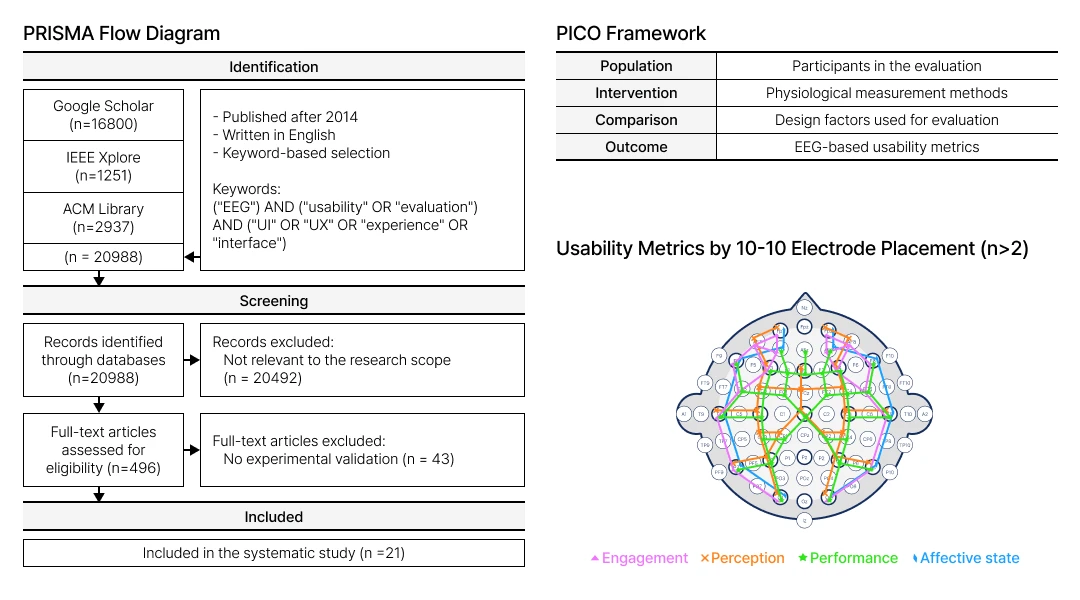
EEG-Based UX/UI Design Studies: A Systematic Review
Purpose: To examine how EEG is used in UX/UI evaluation and to identify its applications, limitations, and future directions.
Methods: A systematic review of 21 studies (2014–2024), structured using the PICO framework.
Insight: Identified key trends, limitations, and future opportunities in EEG-based UX/UI evaluation.
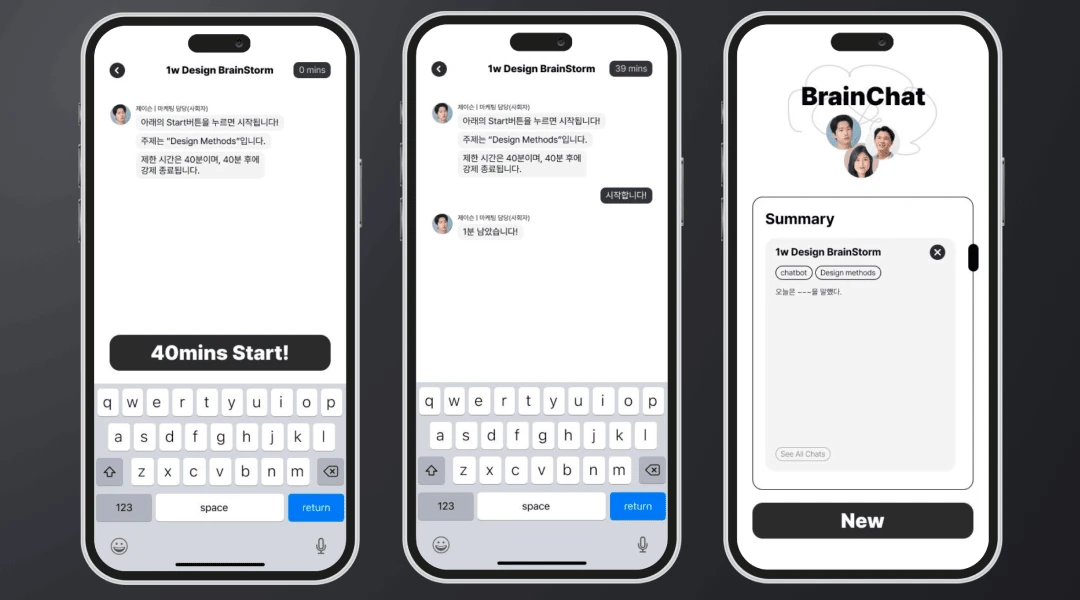
BrainChat: Generative Brainstorming for Human-Centered Design (HCD)
Problem: Traditional brainstorming in HCD is limited by design fixation, subjective bias, and constrained idea exploration.
Solution: BrainChat supports human-AI collaborative ideation through AI personas.
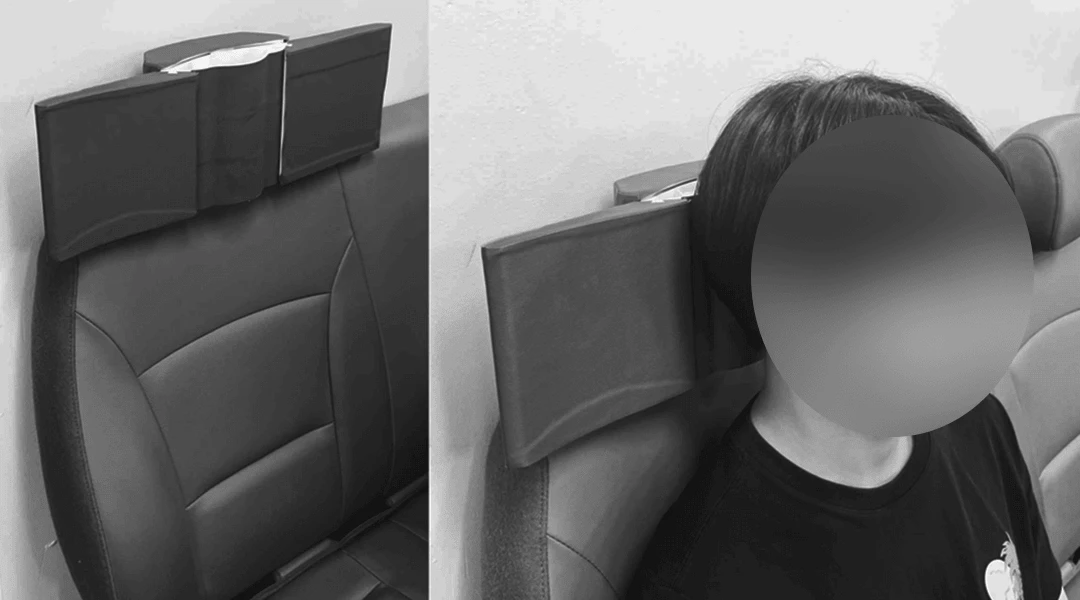
Adaptive Automotive Headrest for Shared Vehicles
Problem: Privacy invasion and discomfort from non-personalized seating in shared vehicles
Solution: An adaptive headrest enabling visual shielding and personalized ergonomic support
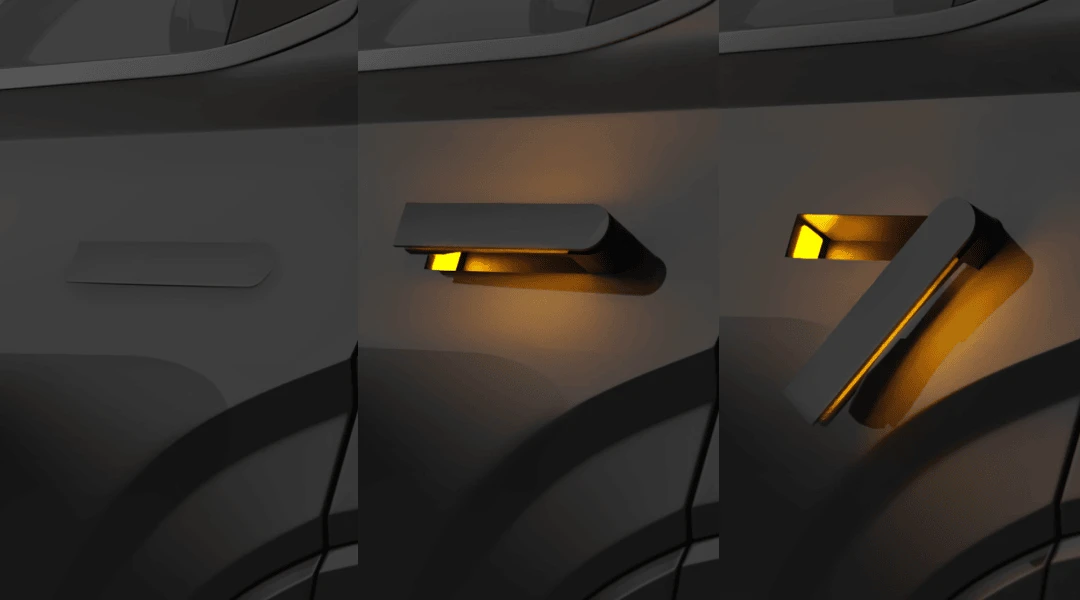
Lighting-Based Communication for Safe Auto Flush Door Handles
Problem: Lack of communication between the vehicle door and the external environment leads to unintended door-opening and door-ding accidents.
Solution: Lighting-based visual communication provides real-time cues that make door interaction predictable, safe, and intuitive.
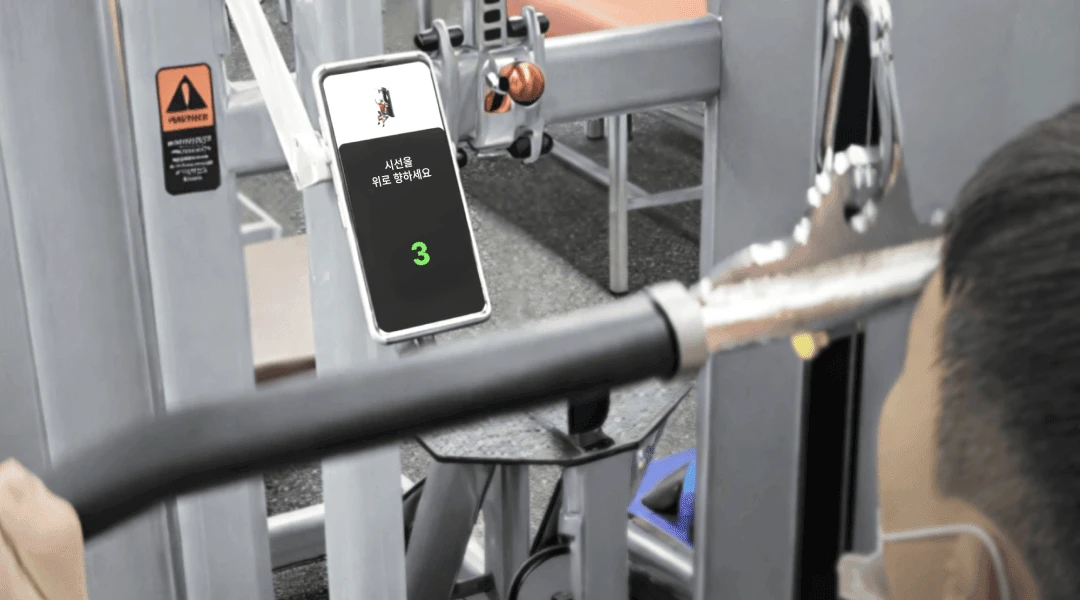
Sensor-based Strength Training Tracking System
Problem: Manual logging limits real-time feedback and data-driven strength training.
Solution: Multi-sensor strength training devices for pin-loaded and plate-loaded machines integrated with a mobile app for real-time monitoring and feedback.
Urban Autonomous Snow-Removal Mobility
Problem: Unpredictable snowfall and delayed removal cause pedestrian accidents, while existing systems are not suitable for pedestrian spaces.
Solution: A compact autonomous mobility for clearing snow in sidewalks and stairs.