Urban Autonomous Snow-Removal Mobility
Problem: Unpredictable snowfall and delayed removal cause pedestrian accidents, while existing systems are not suitable for pedestrian spaces.
Solution: A compact autonomous mobility for clearing snow in sidewalks and stairs.
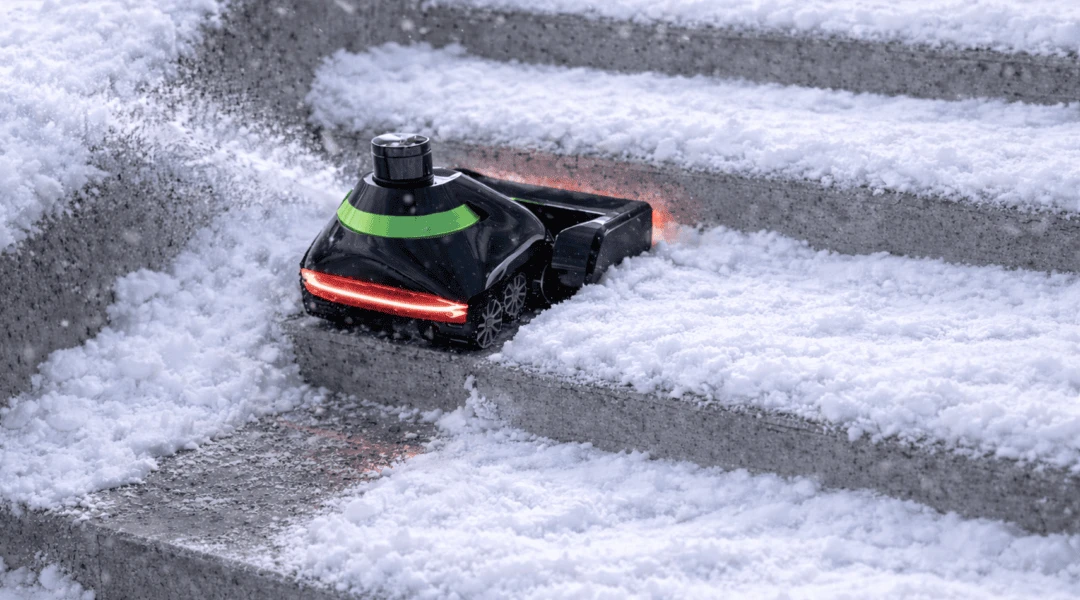
Background
Pedestrian Safety Risk
- Delayed snow removal → Ice formation → Slip-and-fall accidents
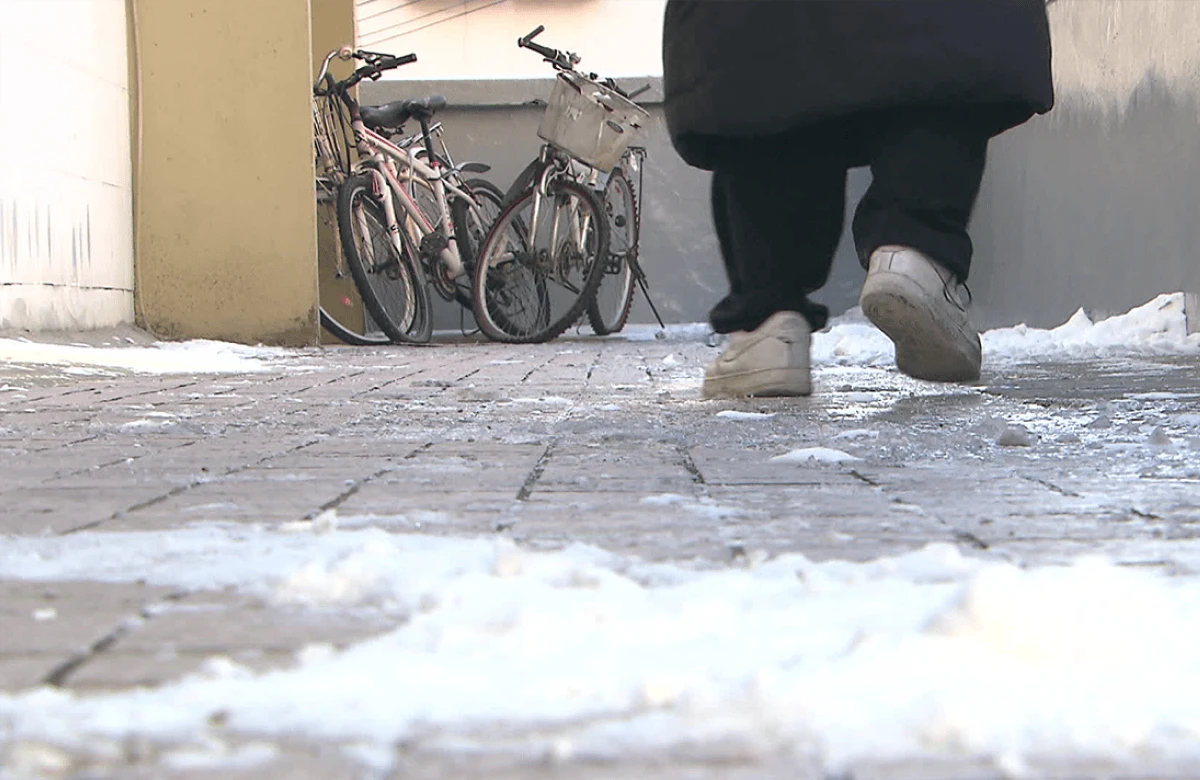
Fig.1. Pedestrian fall accidents on icy walkways
Vehicle-Centered Existing Systems
- Limited access to pedestrian spaces
- High reliance on manual labor
- Increased risk of accidents during snow removal
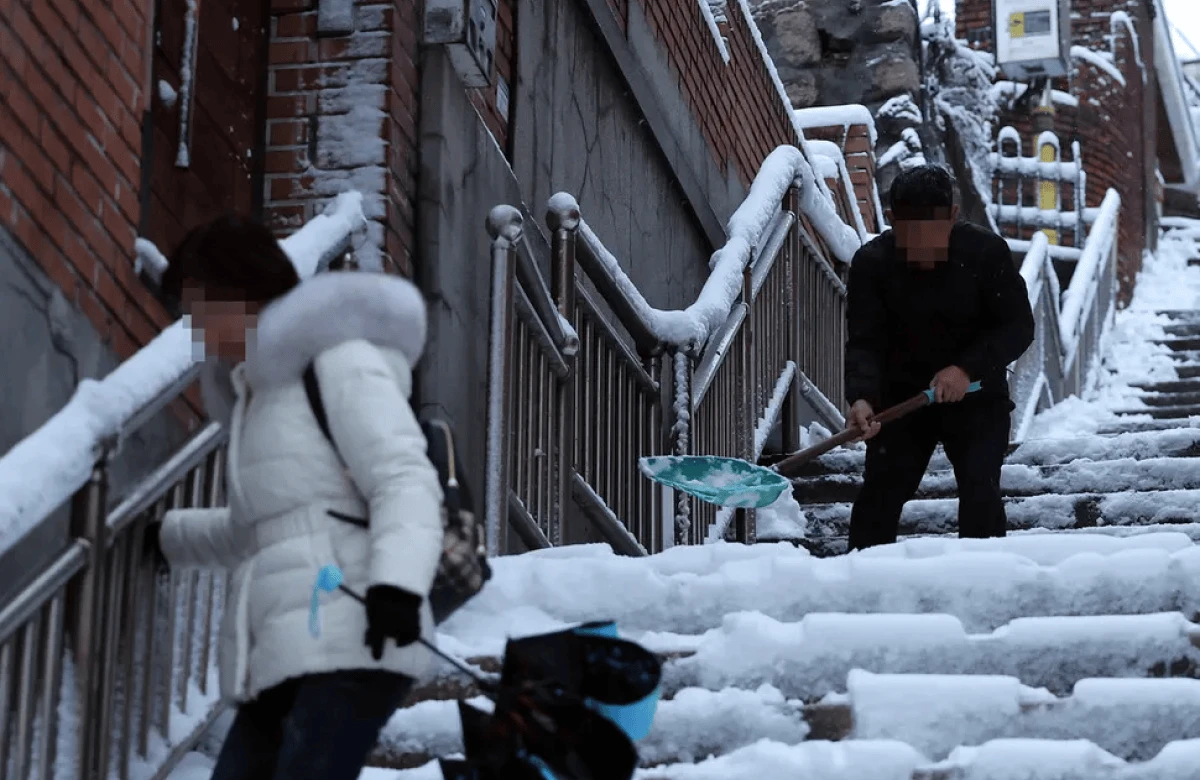
Fig.2. Manual snow removal on stairs
Goal
Context
- Sidewalks
- Stairs
Users
- Road managers
- Pedestrians
Tasks
- Clear snow quickly without disrupting pedestrians
- Prevent ice formation in pedestrian environments
" Clear snow on sidewalks and stairs before it turns into ice "
Key Challenges
Snow removal in vehicle-inaccessible, complex pedestrian spaces
Reducing manual labor dependency in risky, repetitive tasks
Ensuring safety in shared environments (visibility, speed, emergency)
Solutions
S1. Blower-based Mechanism
- Compact, high-efficiency snow removal
- Crushing (brush roller) → Suction → 360° discharge → Integrated processing system
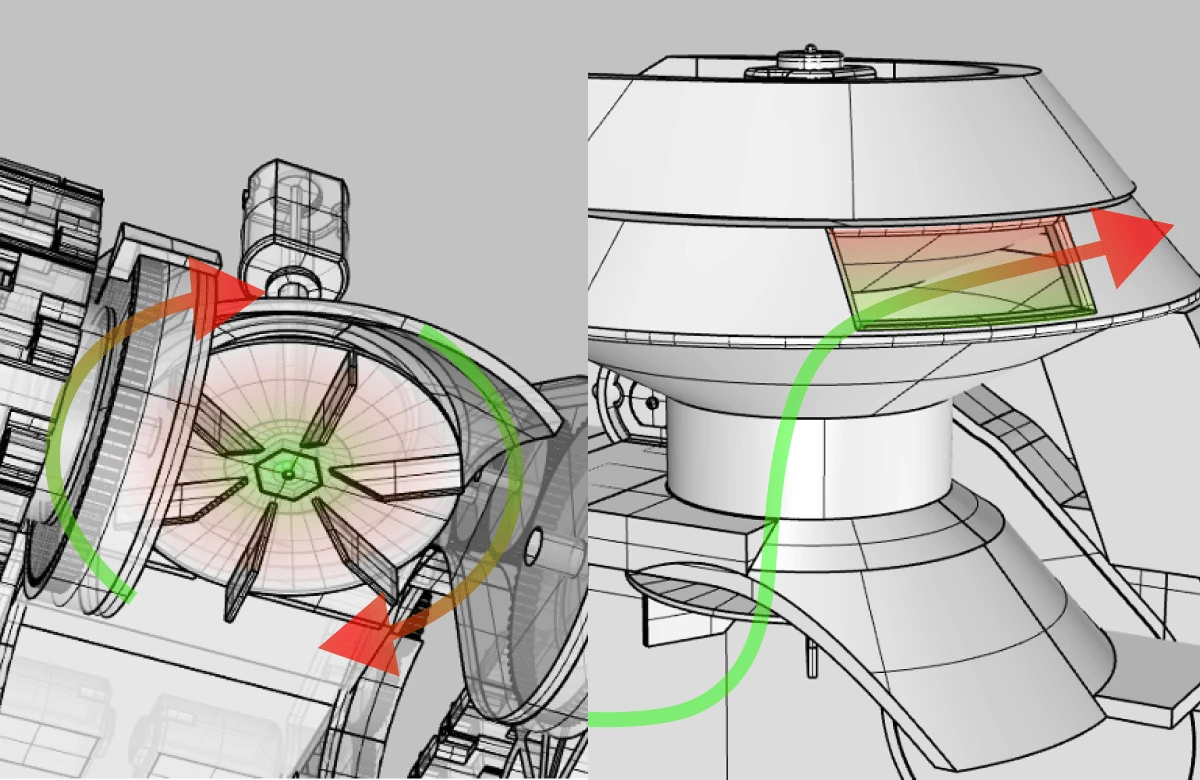
Fig.3. Blower-based snow intake mechanism
S2. Tracked Mobility
- Stair & curb climbing
- Stable traction
- Uneven terrain adaptability
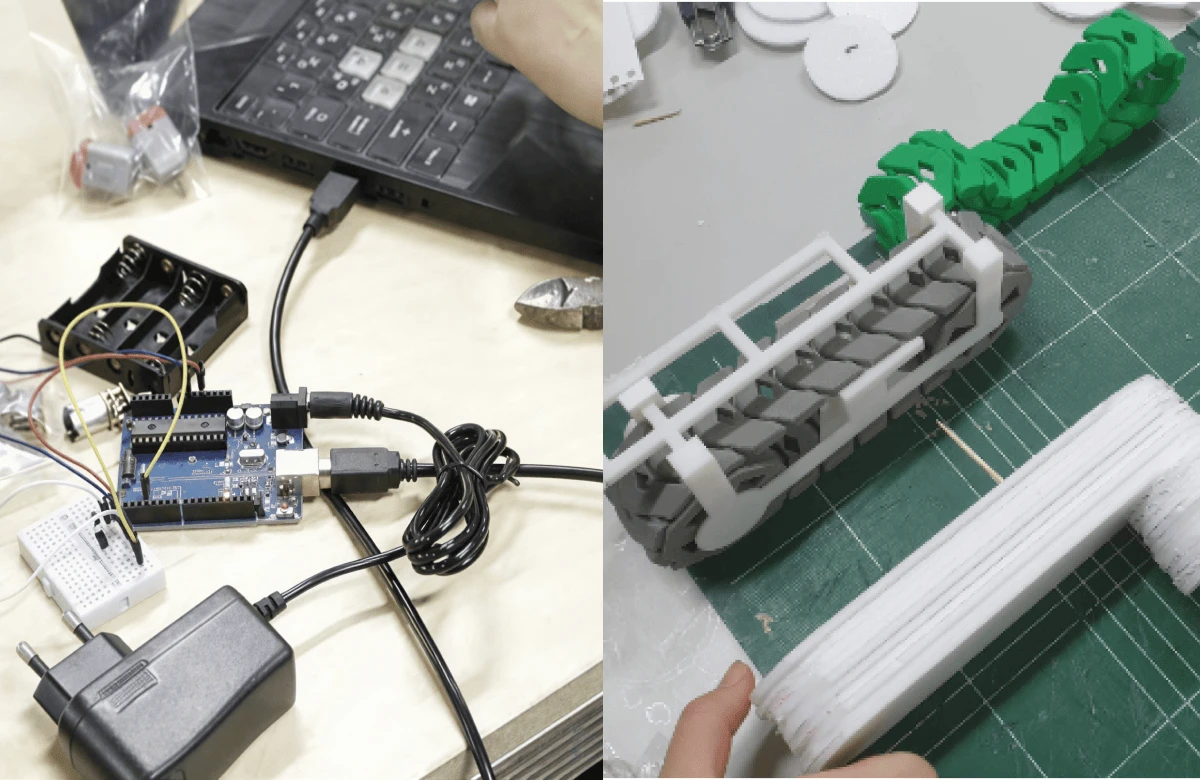
Fig.4. Hardware prototyping and mechanism testing process
S3. Safety Design
- Visibility: lights, reflective materials
- Emergency: stop button
- Speed: 0–3 km/h
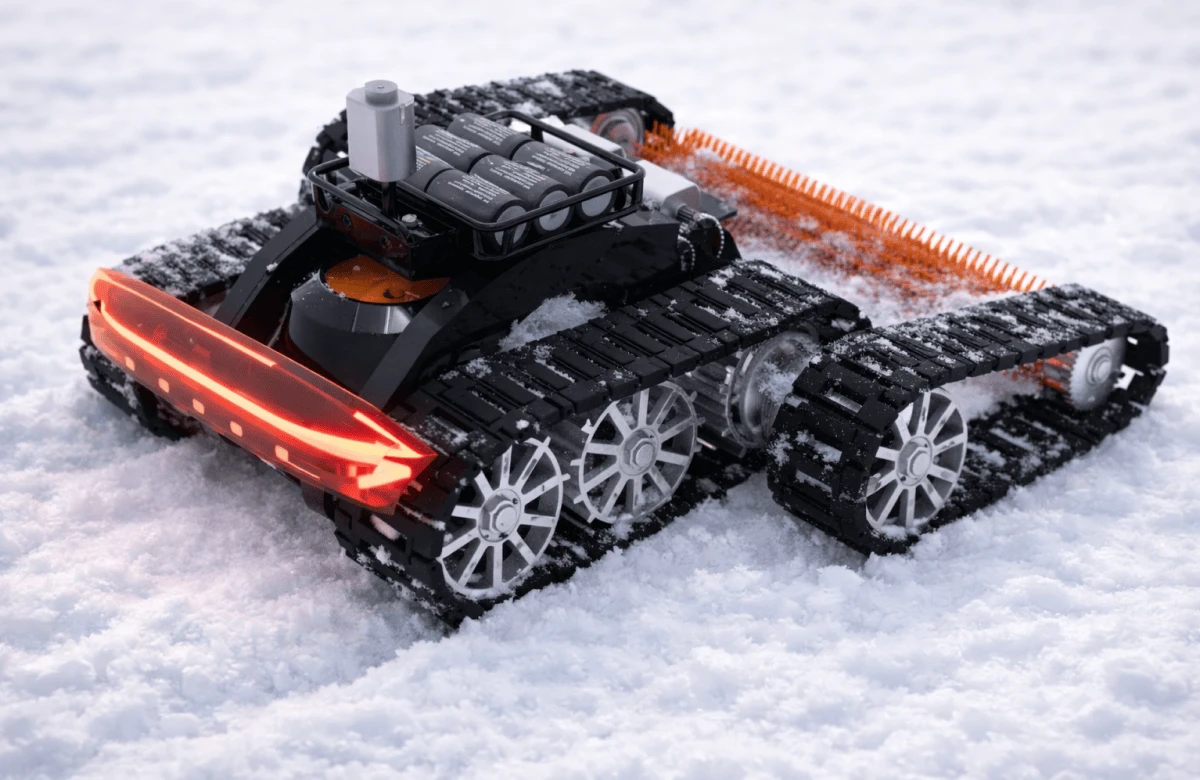
Fig.5. Internal structure (lighting and tracked wheels)
Results
- Pedestrian-focused snow-removal system
- Compact blower-based autonomous mobility
- Stair-capable tracked mobility
- Safety-driven design framework
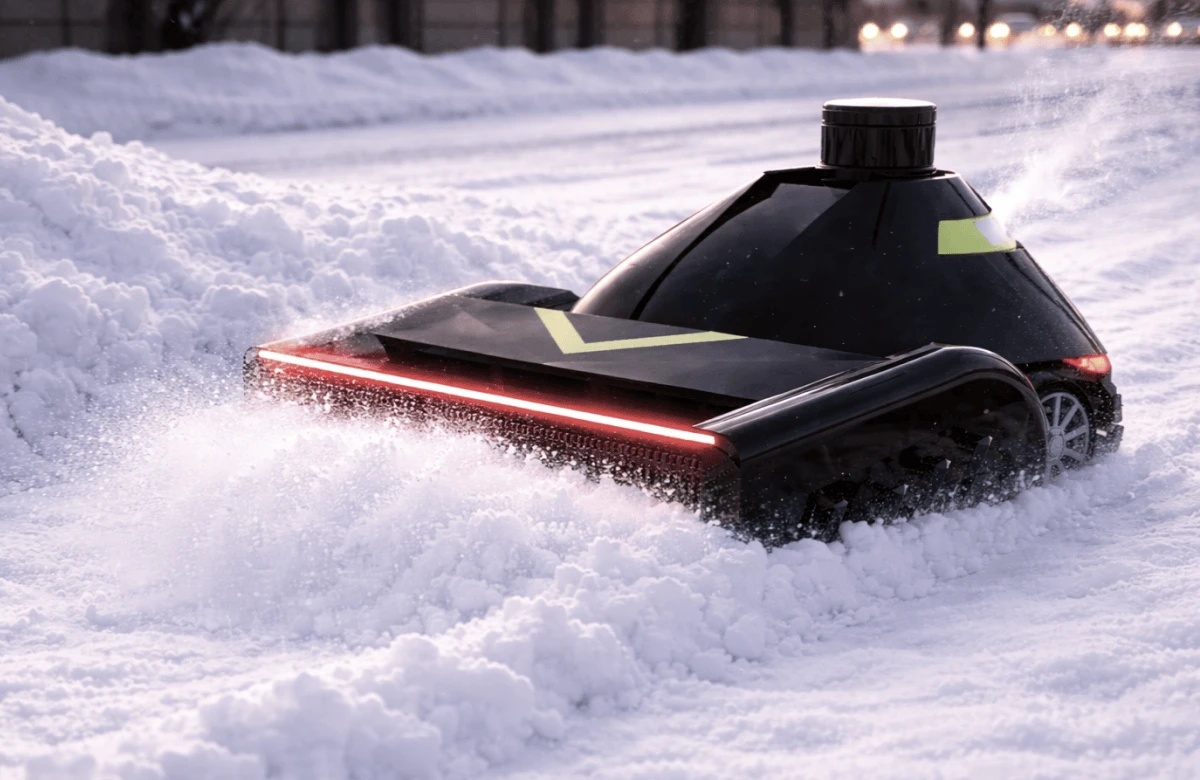
Fig.6. Final design in an urban road scenario
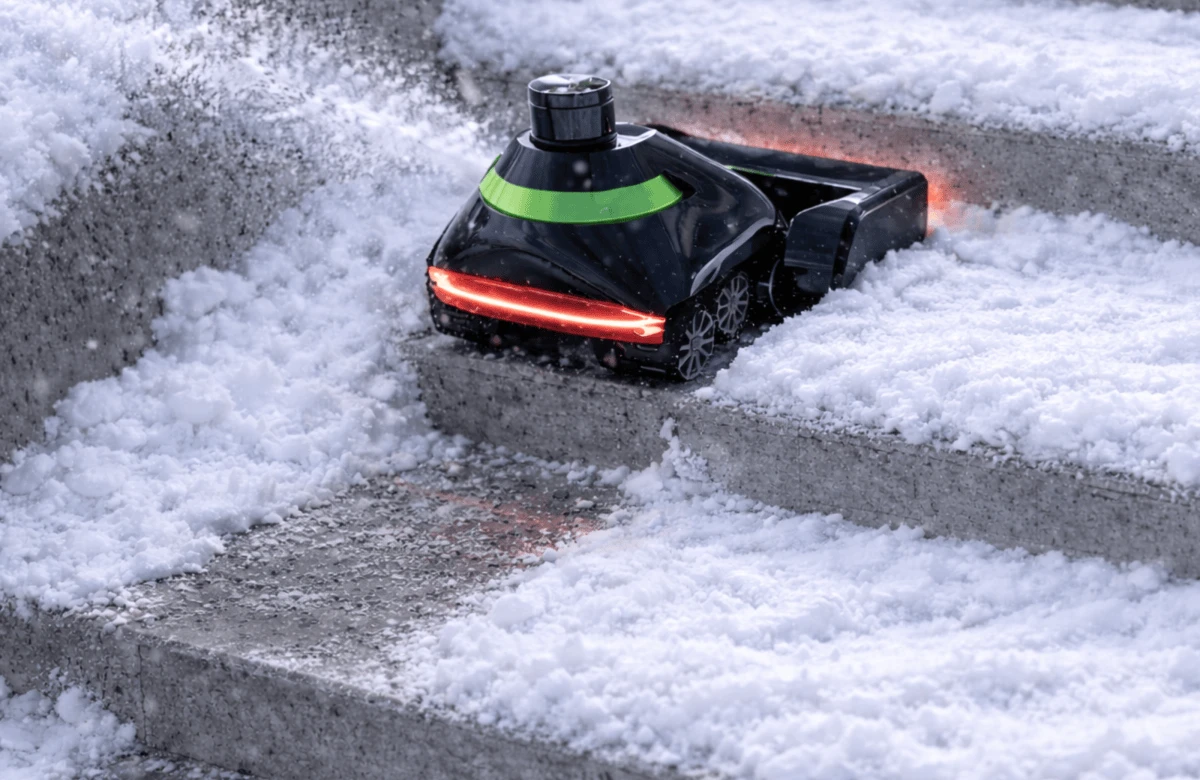
Fig.7. Final design in an urban stair scenario