Sensor-based Strength Training Tracking System
Problem: Manual logging limits real-time feedback and data-driven strength training.
Solution: Multi-sensor strength training devices for pin-loaded and plate-loaded machines integrated with a mobile app for real-time monitoring and feedback.
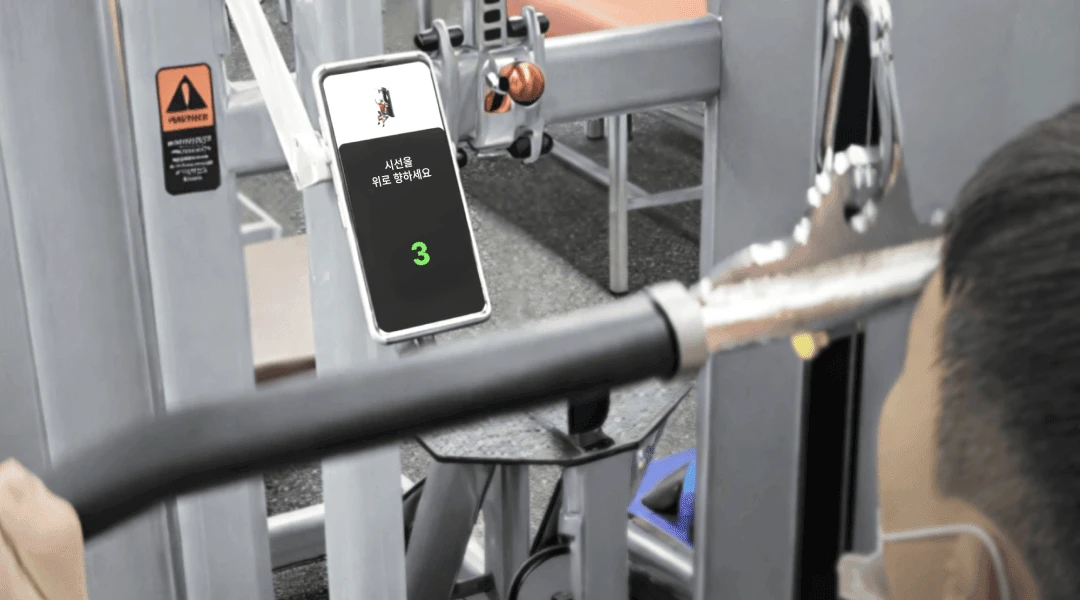
Background
Digital Healthcare Demand Is Increasing
Keyword search trends ⬆︎ and market growth projections ⬆︎
Data-Driven Aerobic Tracking Services Are Expanding
Mobile tracking adoption ⬆︎ and user engagement & satisfaction ⬆︎
Lack of Data-Driven Strength Training Tracking
No automated or quantitative measurement of strength training performance
User Research
Painpoints
- Manual logging is time-consuming and often inaccurate
- Workout data is scattered and difficult to manage
- In-exercise performance cannot be checked in real time
- Correct exercise form is difficult to learn and maintain
Needs
- Automated tracking of workout performance
- Structured data management for consistent workout records
- Real-time feedback during exercise
- Exercise guidance for correct execution
Goal
Context
- Gym
- Home
Users
- Strength training users
- Gym managers
Tasks
- Tracking
- Analysis
- Feedback
" Design an integrated system for measuring, analyzing, and providing feedback on strength training performance "
Key Challenges
Accurate sensing across heterogeneous machine structures
Linear and rotational motion patterns require different sensing approaches
Real-time measurement–analysis–feedback loop
Low-latency processing is required to deliver immediate feedback during exercise
Seamless hardware–mobile interaction
Instant and seamless connectivity is needed to avoid disrupting workout flow
User Scenario
Connect
NFC-based pairing
Measure
Multi-sensor tracking
Feedback
Real-time performance
Coaching
Trainer monitoring
Analysis
Workout data insights
Solutions
S1. Accurate & Deployable Measurement
- Pin-Loaded machine sensing: Infrared Sensor (motion detection), Time-of-Flight (ToF; distance & weight estimation)
- Plate-Loaded machine sensing: Gyroscope (rotational motion detection), Load Cell (force & weight measurement)
- Detachable & attachable hardware design
- Compatible with existing equipment
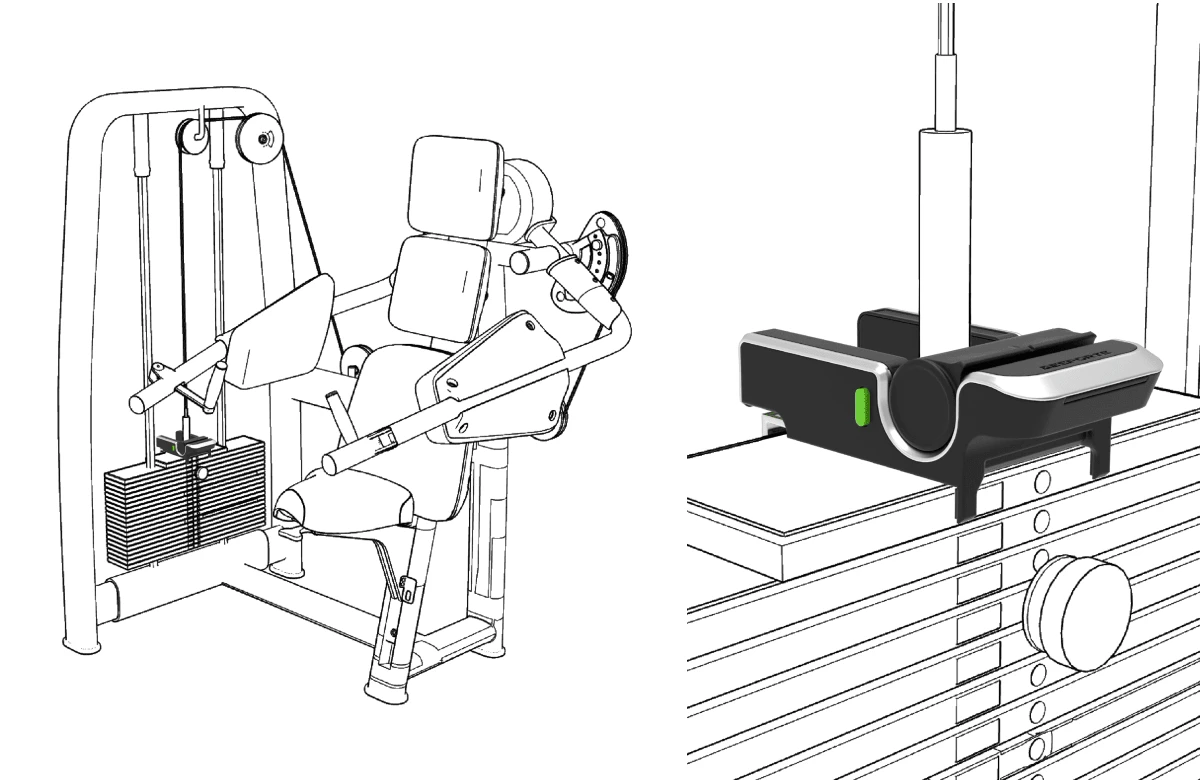
Fig.1. Measurement device attached to a pin-loaded machine
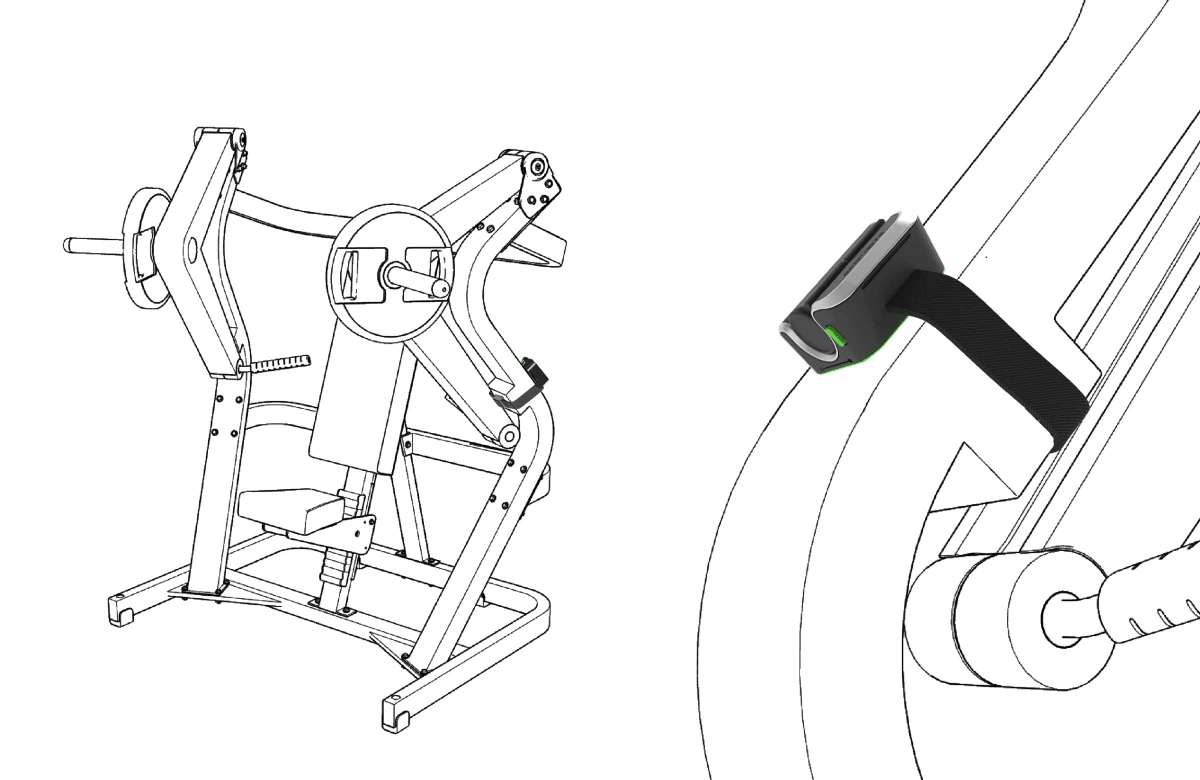
Fig.2. Measurement device attached to a plate-loaded machine
S2. Real-Time Connected Training System
- Sensor → MCU → Bluetooth → Mobile App
- Real-time performance feedback (speed, reps)
- NFC-based one-tap interaction
- User–Trainer integrated UX
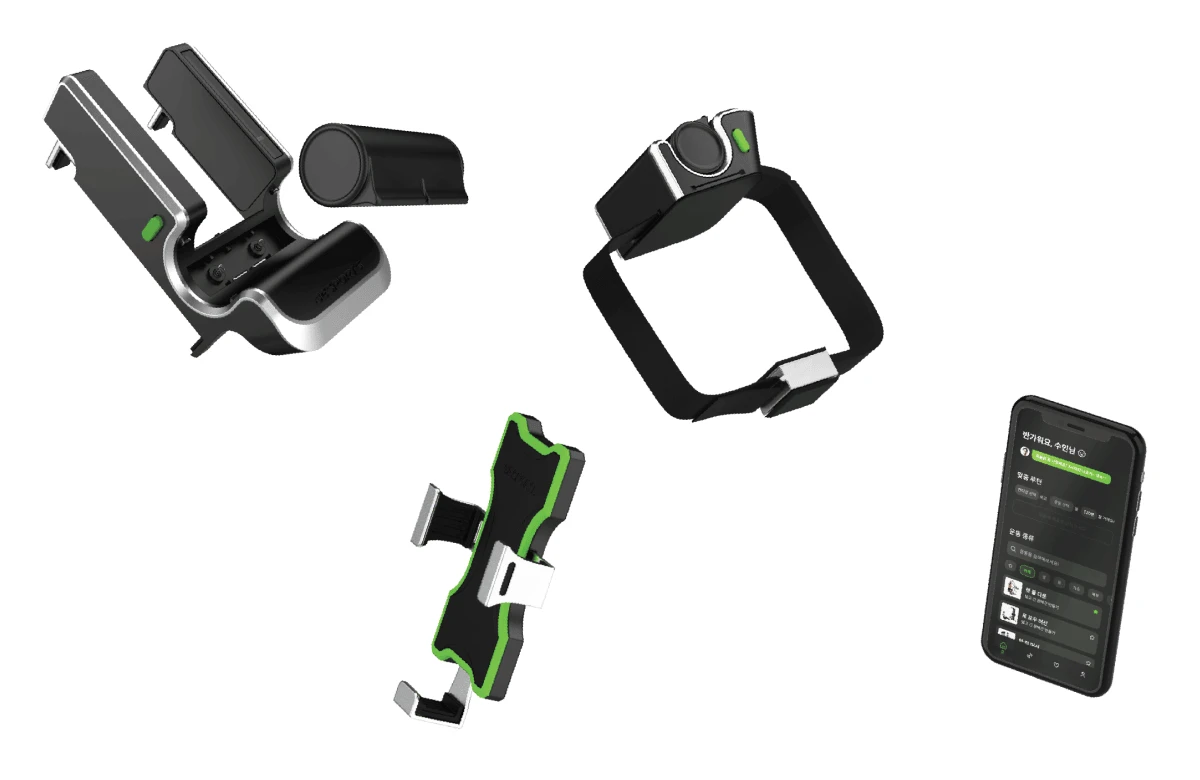
Fig.3. System components (devices, NFC dock, mobile app)
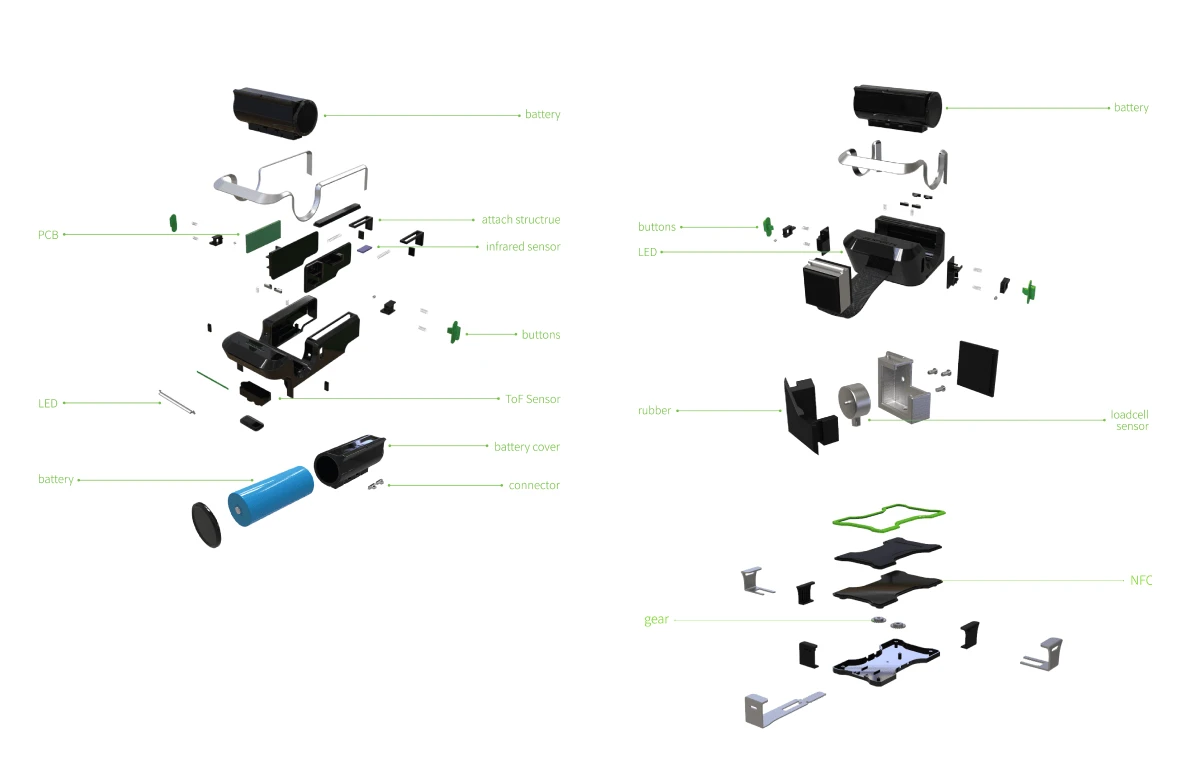
Fig.4. Internal design of devices and NFC dock
Results
- Multi-machine tracking system (pin-loaded & plate-loaded)
- End-to-end prototype (sensor → app pipeline)
- Real-time feedback for performance improvement
- Data-driven training & coaching workflow
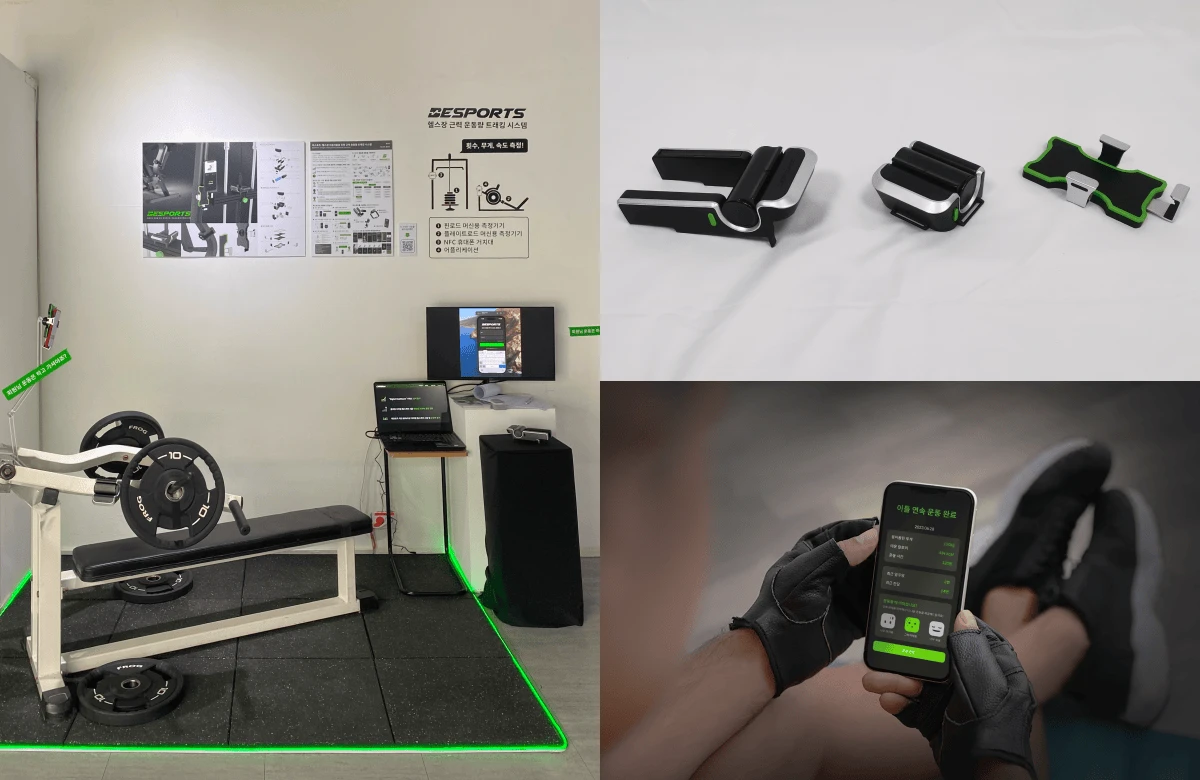
Fig.6. Final prototype
Fig.7. Motion measurement process for the pin-loaded machine
Fig.8. Motion measurement process for the plate-loaded machine