Lighting-Based Communication for Safe Auto Flush Door Handles
Problem: Lack of communication between the vehicle door and the external environment leads to unintended door-opening and door-ding accidents.
Solution: Lighting-based visual communication provides real-time cues that make door interaction predictable, safe, and intuitive.
Background
" Vehicle door handles are one of the key touchpoints during entry and exit "
Non-Collision Accidents Related to Vehicle Doors
- Approximately 647,000 non-collision accidents occur annually
- Many of these accidents happen during entry and exit
- ① Dooring (collisions with approaching vehicles or pedestrians)
- ② Door-ding accidents in confined spaces
- ③ Hand entrapment during handle retraction
Limitations in Door Interaction
- Limited communication between the vehicle's internal state and its surroundings
- ① Drivers and passengers → difficulty perceiving surrounding conditions
- ② People outside the vehicle → difficulty predicting door movements
Fig. 1. Example of a dooring accident in a real-world scenario
(Source: Bobaedream user post)
User Research
" Lack of real-time information makes door interaction unpredictable, leading to unsafe, guesswork-based behavior "
Field Observation
- Difficulty noticing approaching vehicles and pedestrians
- Sudden door opening in traffic flow
- Increased risk in low-visibility and confined environments
User Interviews
- Safety concerns during entry and exit
- Limited understanding of door behavior
- Difficulty anticipating handle movement
Survey Results
- Unnecessary movement due to unknown seat availability (84.8%)
- Strong preference for having information before interaction
Problem
" Limited awareness and lack of communication during vehicle entry and exit lead to collision risks, hand entrapment, and door-ding accidents "
Goal
" To bridge the communication gap between the vehicle's interior and its surroundings through the door handle. "
Solution
Exit Notification
Communicates when passengers are getting in or out of the vehicle
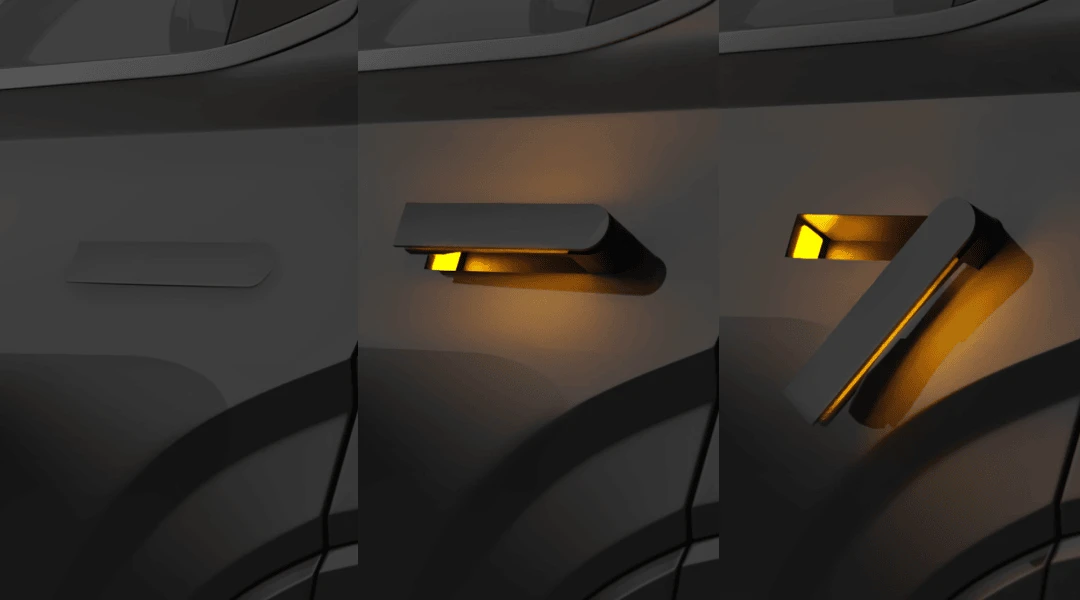
- Unlocking from inside → Exterior handle deploys
- During exit interaction → Lighting blinks to provide feedback

Fig. 2. Handle Deployment
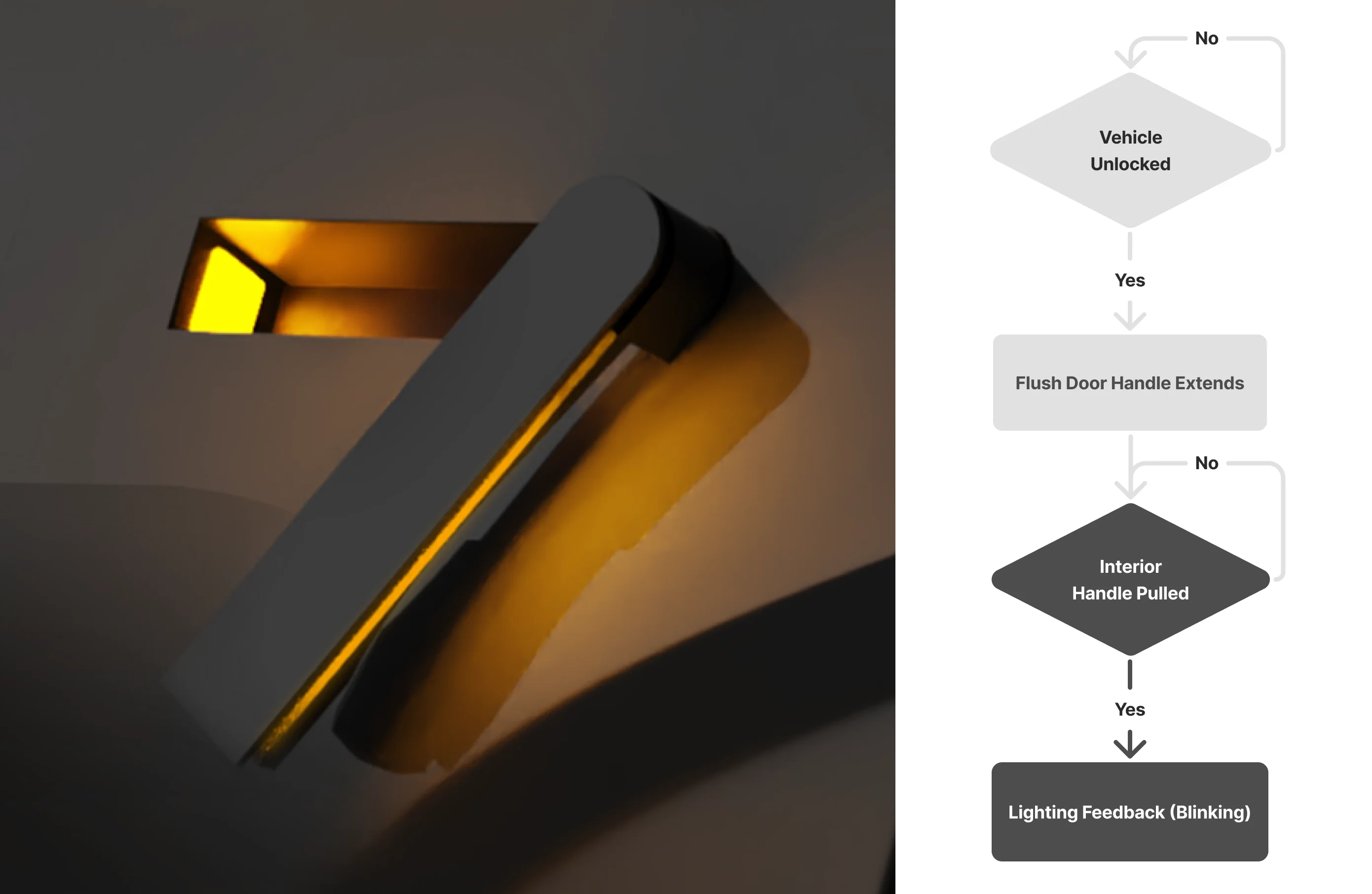
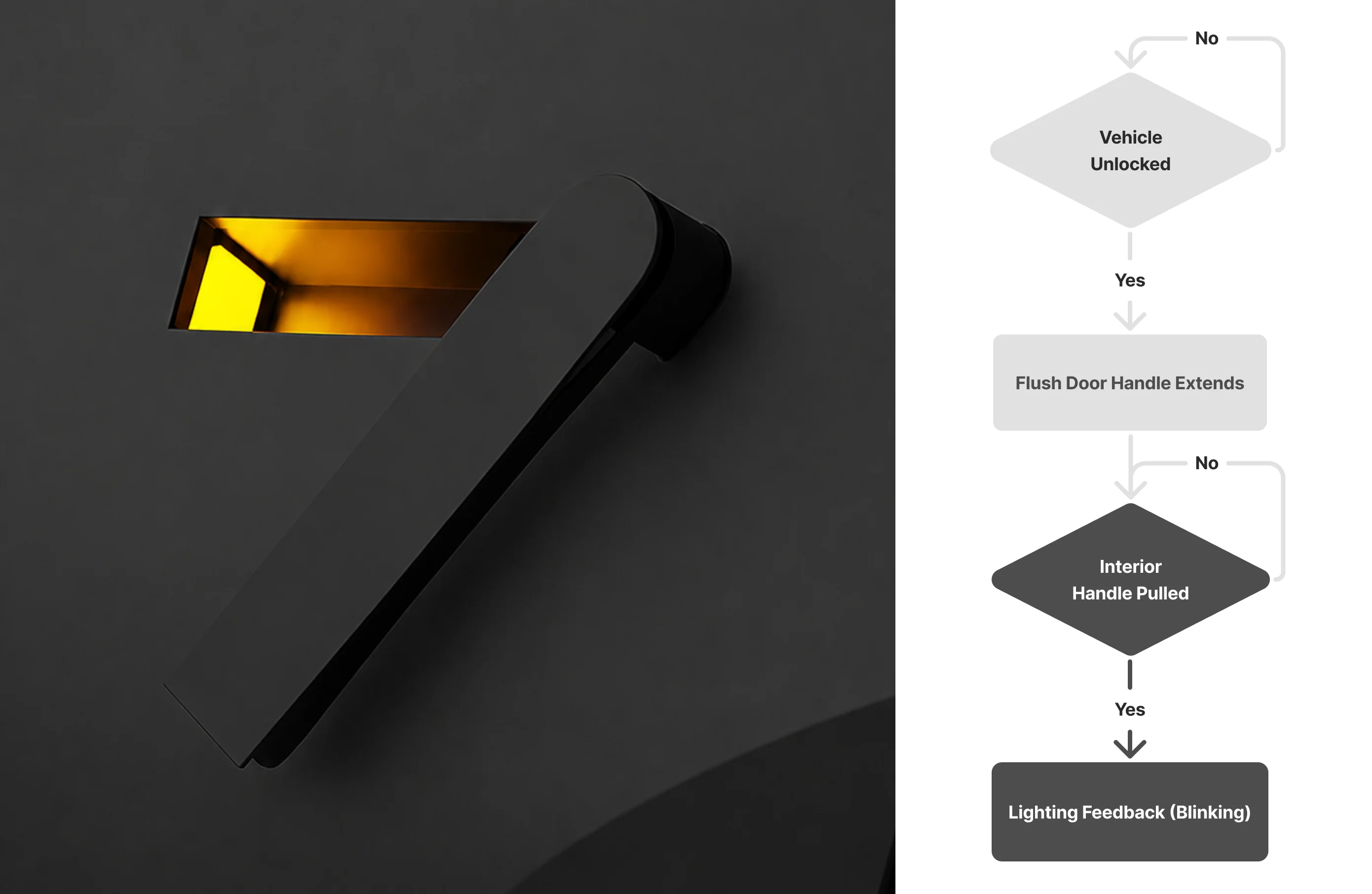
Fig. 3. Lighting Feedback and Notification Flowchart
Seat Availability Guidance
Allows users to check seat availability before entering
- Displays the number of available and occupied seats
- Helps users decide whether to board without opening the door

Fig. 4. Available and Unavailable Seat
Narrow-Space Safety Lighting
Projects light onto the ground to indicate the door-opening range
- Visualizes door swing area to prevent door-ding accidents
- Warns nearby pedestrians and vehicles before the door opens
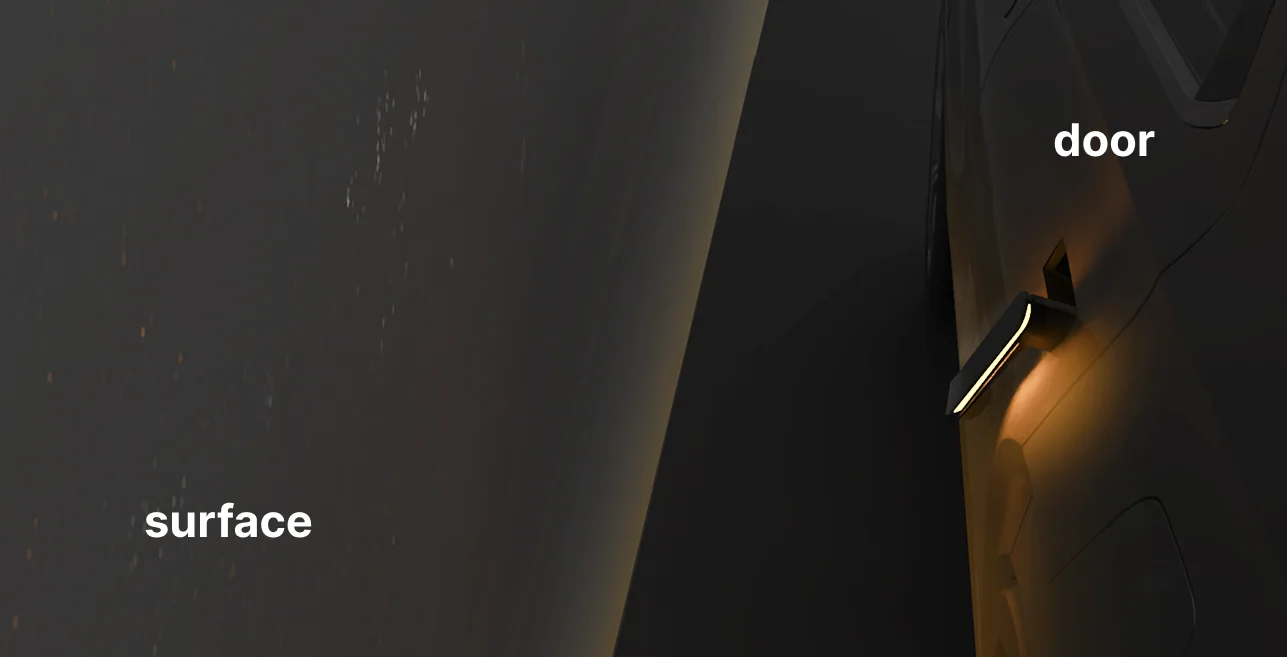
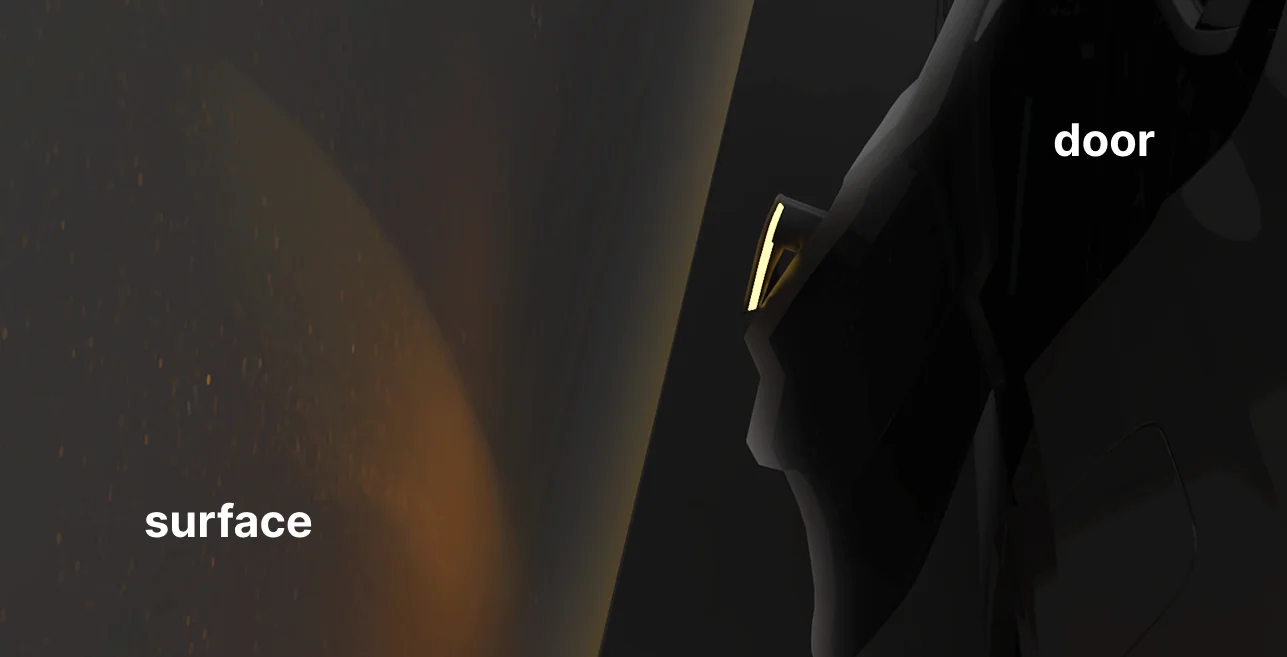
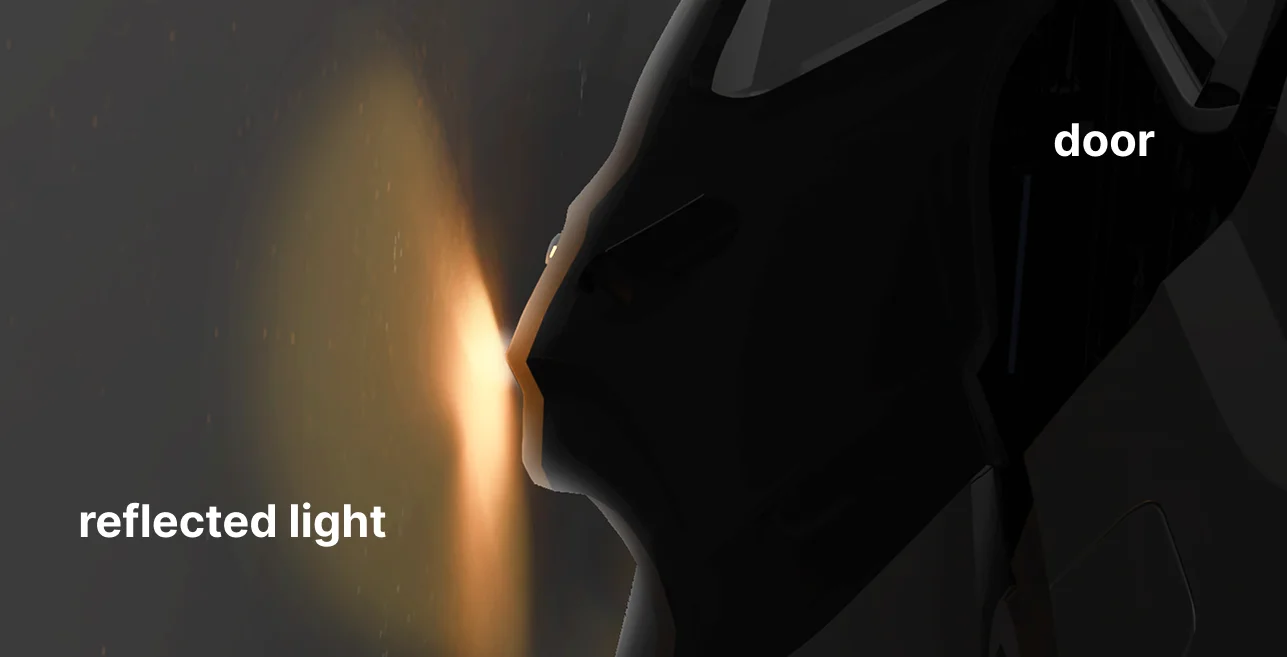
Fig. 5. Spatial Safety Lighting
Flush Handle Timing Visualization
Communicates handle retraction timing to prevent hand entrapment
- Displays a countdown before the handle retracts
- Warns users in advance to release the handle safely
Fig. 6. Handle Timing Visualization
User Scenario
① Pre-boarding Awareness
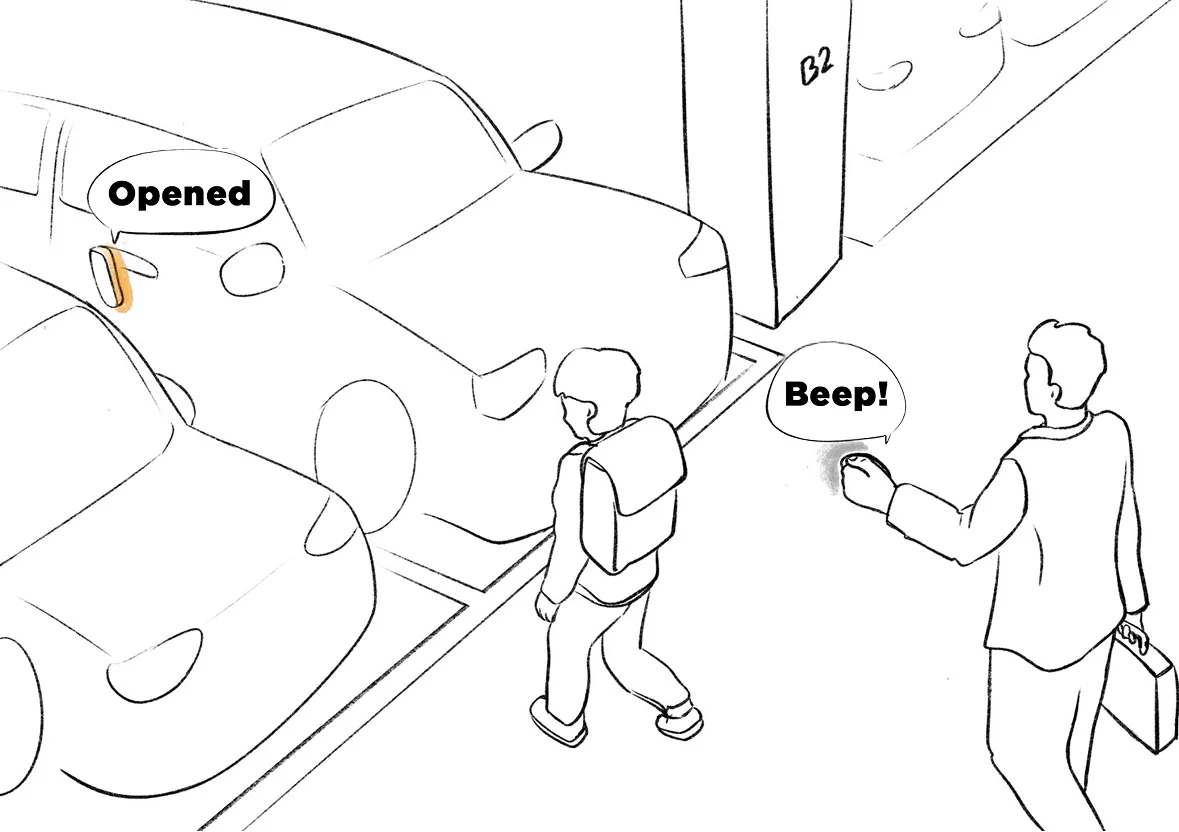
Identify vehicle status through lighting cues.
② Ergonomic Access
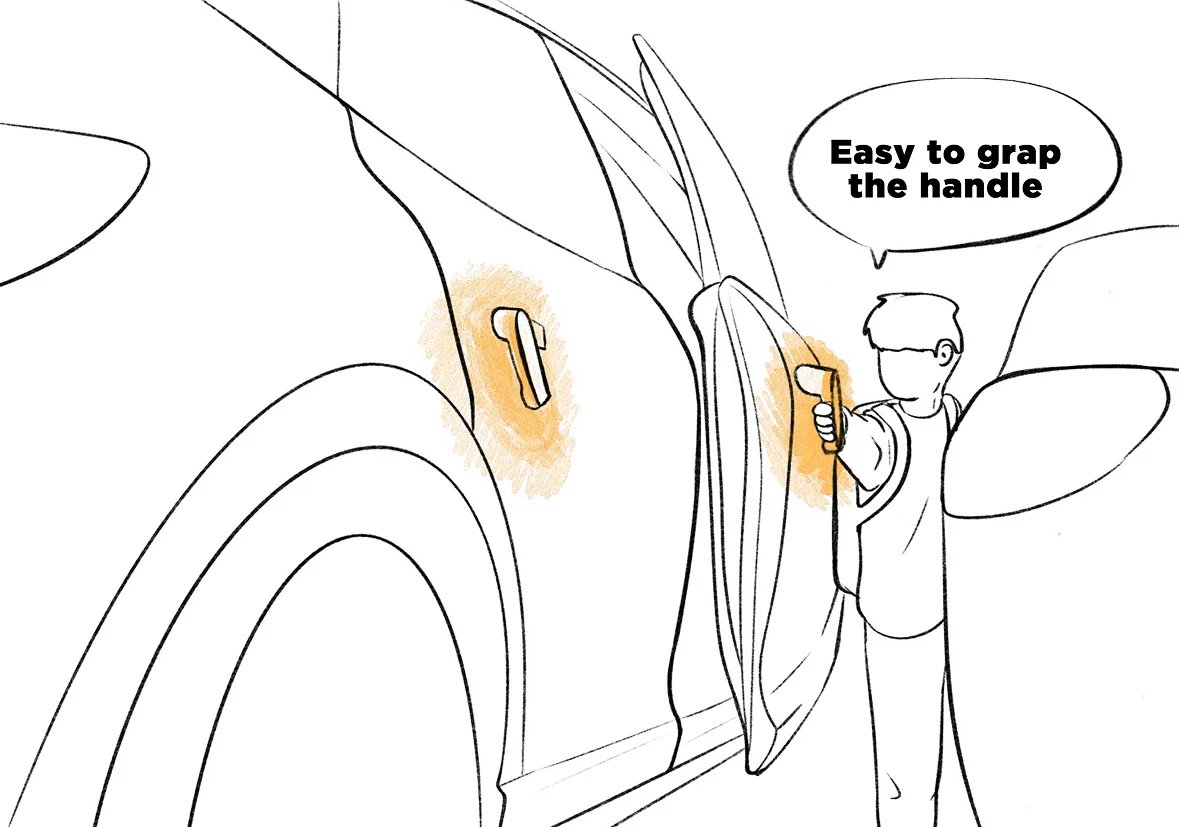
Easily locate and grasp the handle, even in low light.
③ Seat Availability
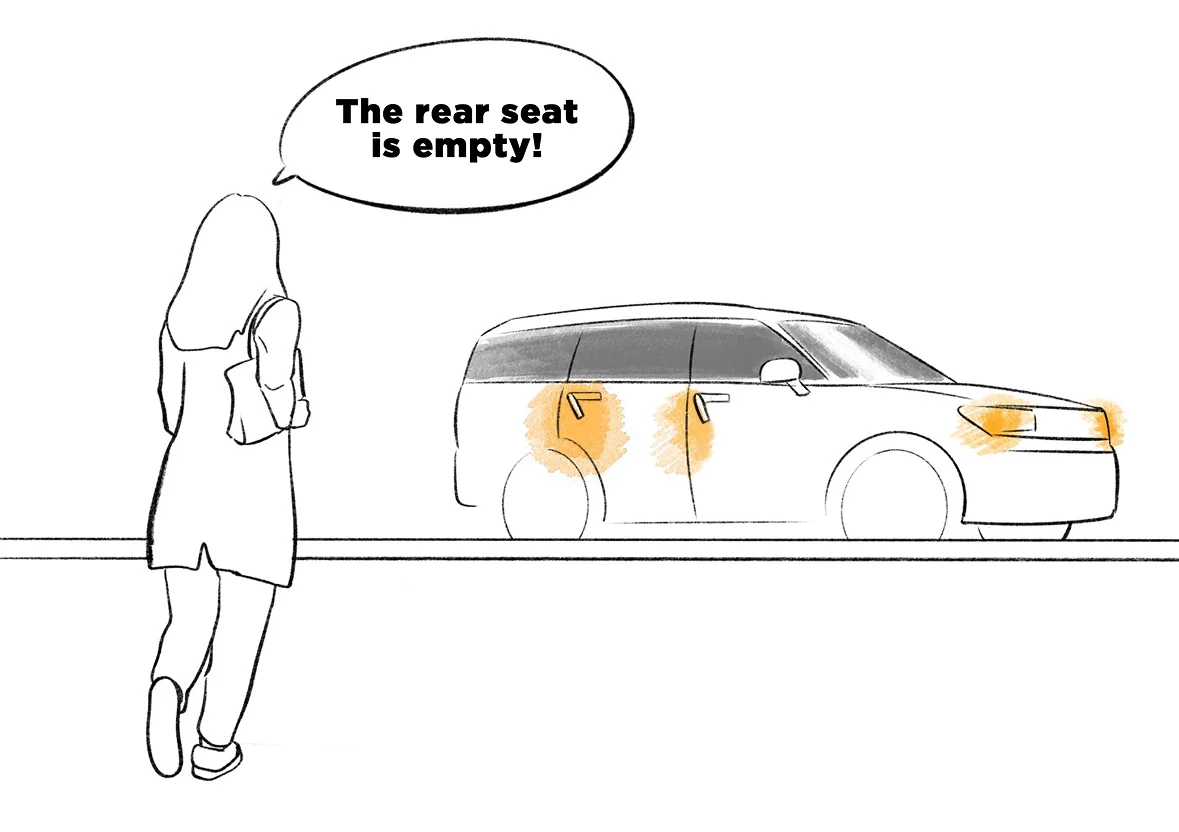
Check available seating before entering.
④ Collision Prevention
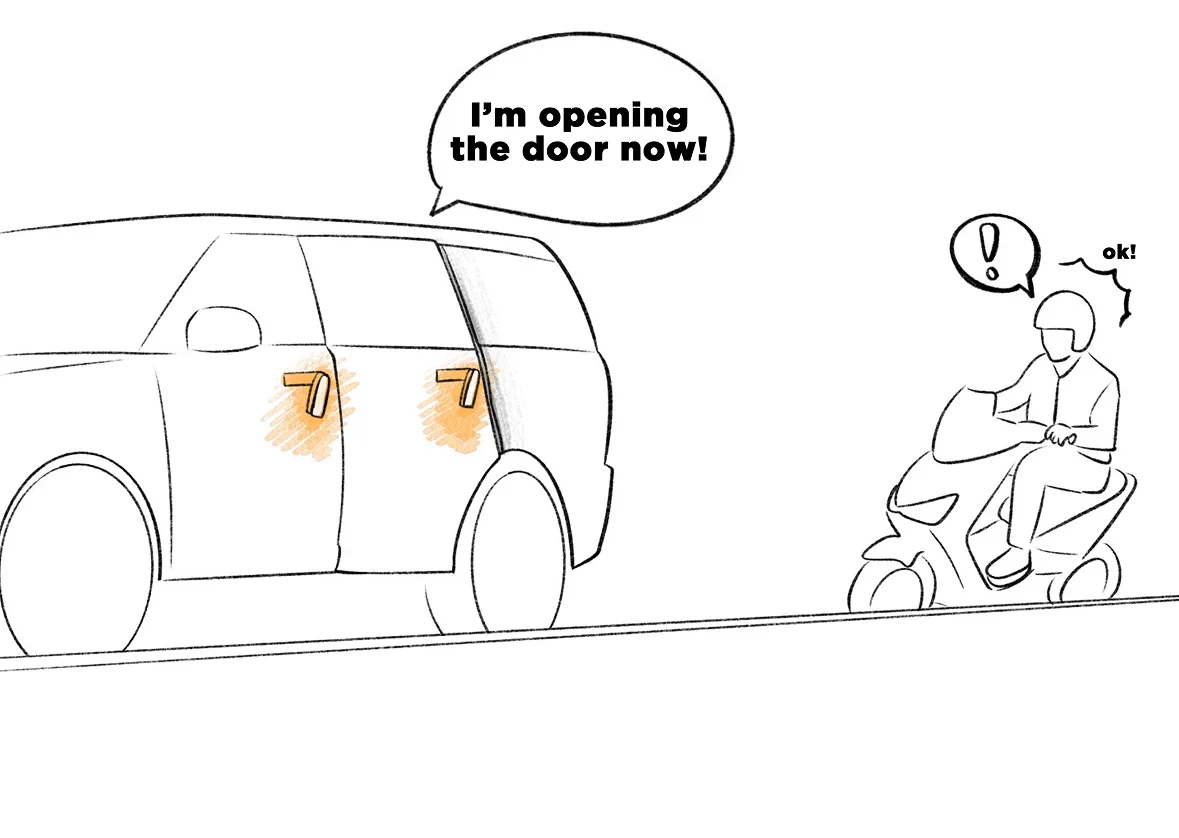
Signal door opening to nearby vehicles and pedestrians.
⑤ Door Movement Visualization
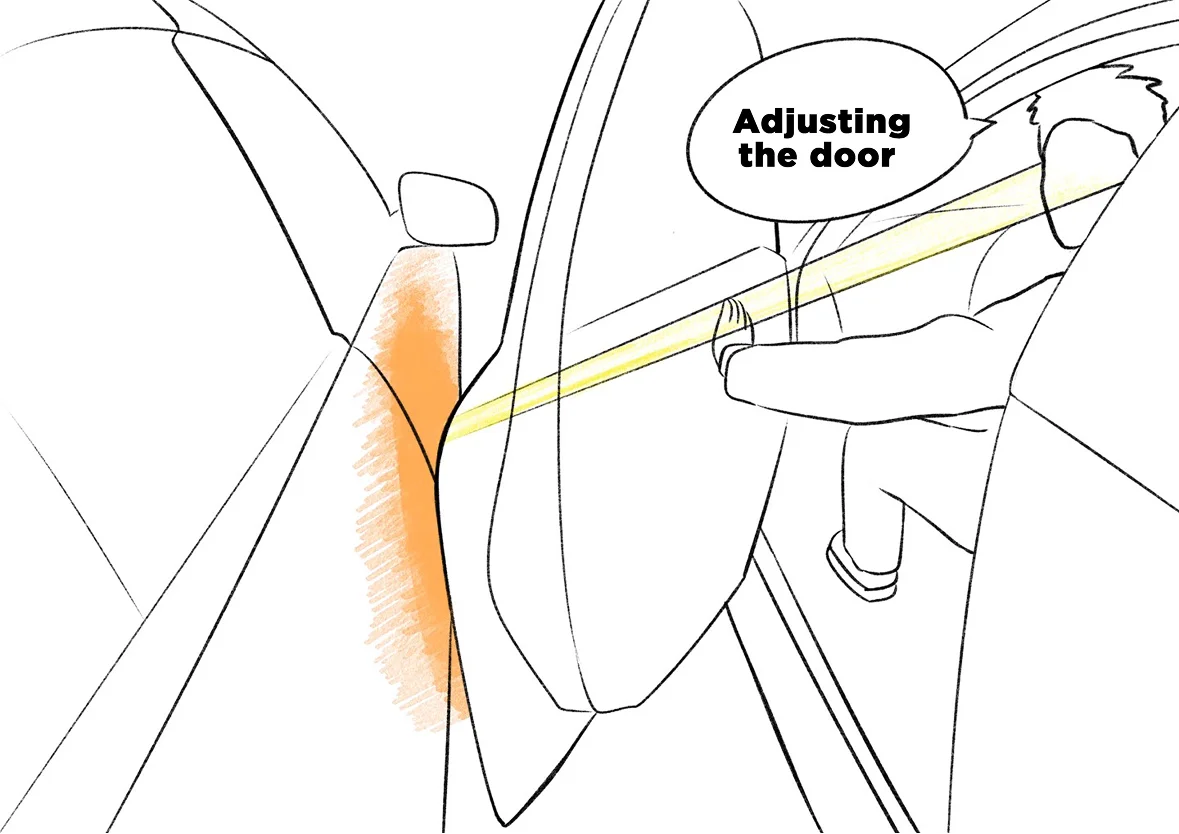
Understand door range to avoid collisions.
⑥ Real-time Feedback
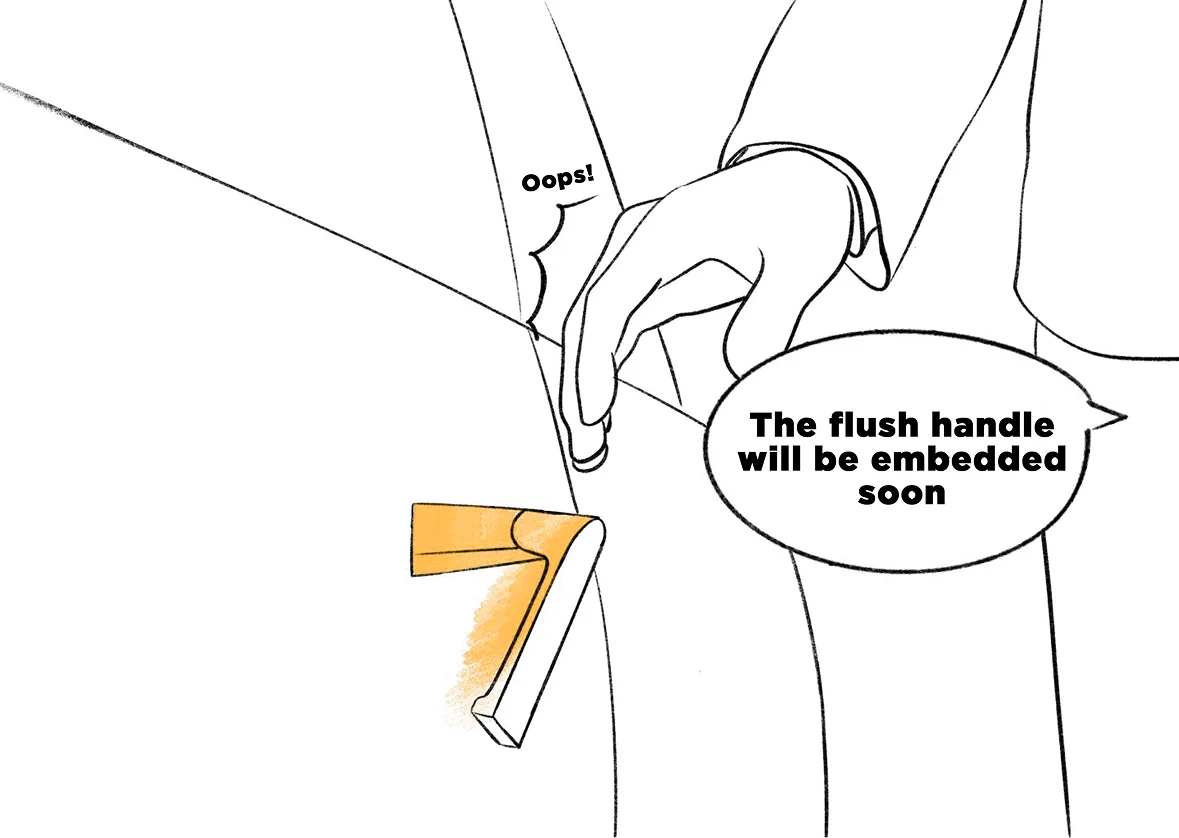
Receive warning before handle retraction to prevent hand entrapment.
Result
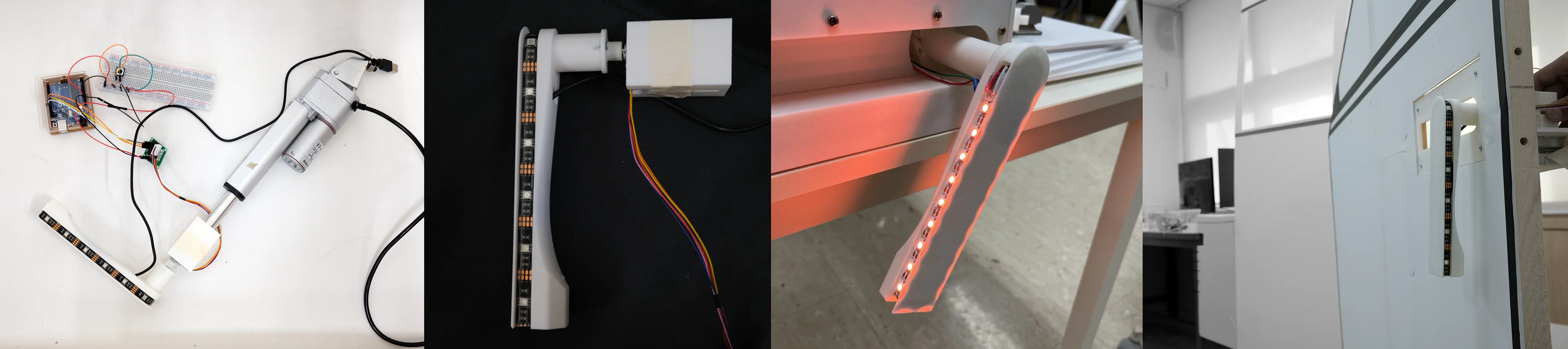
Usability Evaluation
- Participants: 60 users (ages 10–30)
- Method: Prototype-based survey & interview
- Objective: Evaluate effectiveness of lighting for indicating interior availability
- Constraint: Limited use of color due to legal regulations
- Test A: Amber lighting only → Information via ON / OFF state
- Test B: Color lighting → Information via Green / Red
Fig. 7. Test A Experimental Prototype
Results
- Test A: ~80% correctly interpreted lighting as "Available to enter"
- Test B: ~90% correctly interpreted green lighting as availability
Interpretation
- Lighting alone enables intuitive information delivery
- Adding color improves recognition accuracy by ~10%
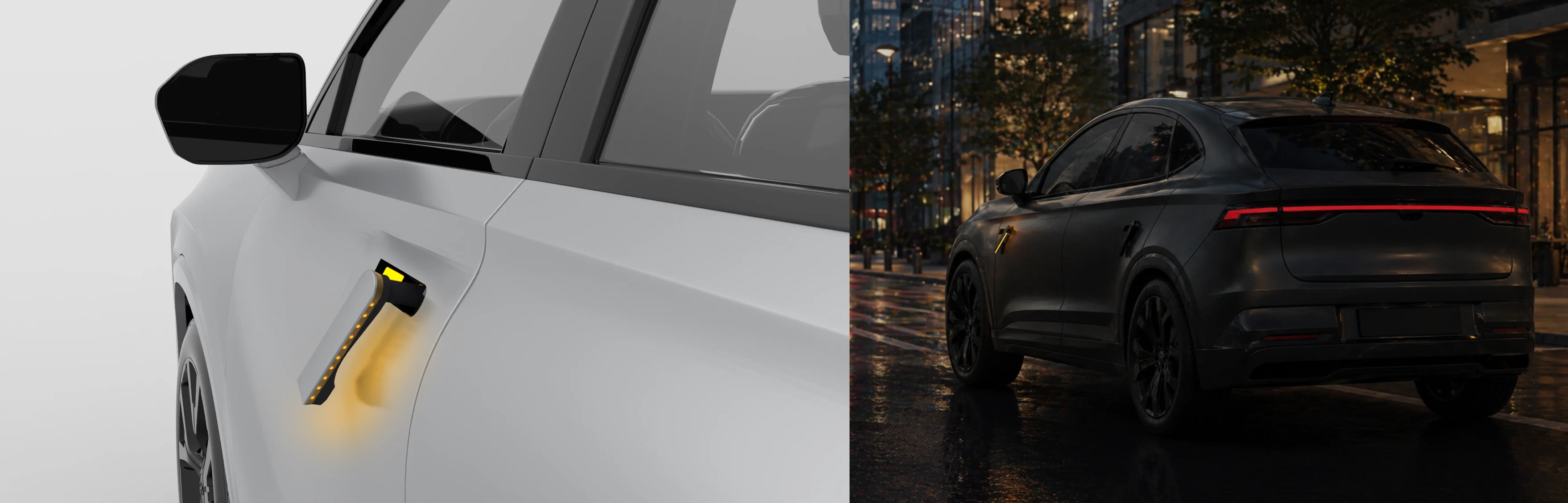
Fig. 8. Test B Experimental Prototype
" Achieved up to 90% accuracy, enabling safer and more predictable door interaction "